
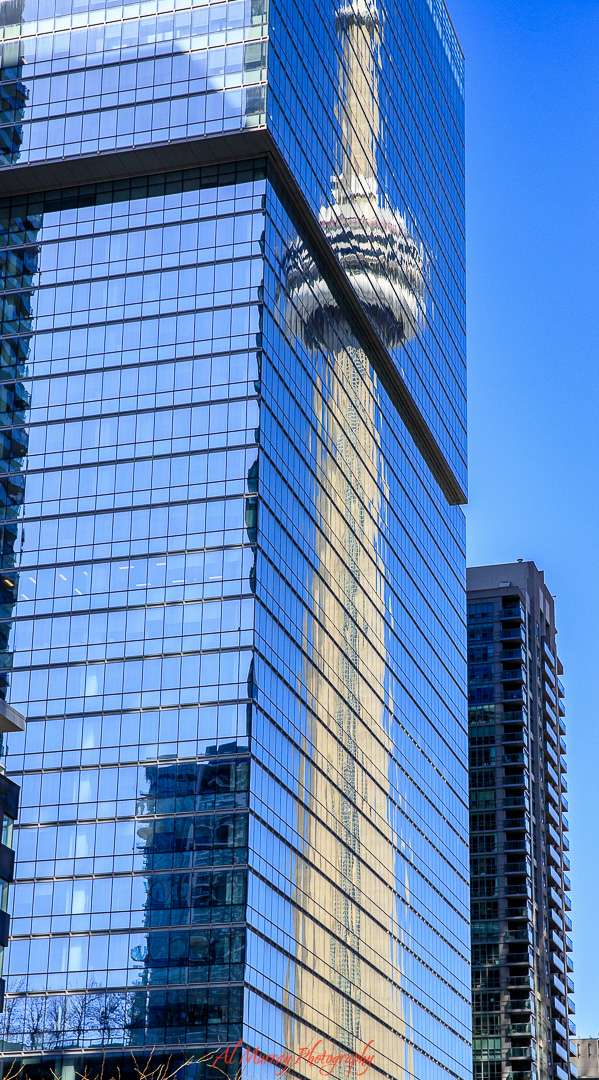
Visiting Toronto For The First Time: What to Do Without Wasting Time
Table of Contents
Introduction
Visiting Toronto for the First Time Without Wasting Time means choosing a good base, grouping your sightseeing by neighbourhood, and refusing to turn your trip into an Olympic walking event. This guide helps first-time Toronto visitors see the highlights, avoid rookie mistakes, and enjoy the city at a relaxed pace.
Is Toronto worth visiting for the first time? Yes, if you plan it properly. Toronto is big, busy, diverse, food-filled, and sometimes confusing. It rewards travellers who slow down, use transit, and pick smart areas instead of trying to “see everything” in two days.
For most first-time visitors, three days works best. Stay downtown near Union Station if you want simple transit. Stay in Yorkville or the Annex if you want quieter nights. Skip the rental car unless you plan day trips outside the city.
Toronto is not a cute little postcard city. It is a neighbourhood city. Treat it that way, and your trip gets much easier.
Quick Answer: Visiting Toronto for the First Time Without Wasting Time
| First-time Toronto question | Best answer |
| Best area to stay | Downtown near Union Station |
| Best quieter area | Yorkville or the Annex |
| Best first attraction | CN Tower and the waterfront |
| Best food stop | St. Lawrence Market or Kensington Market |
| Best low-stress day | Toronto Islands, waterfront, café break |
| Biggest mistake | Trying to see too much in one day |
| Do you need a car? | No, not for downtown Toronto |
| Best trip length | Three days for a comfortable first visit |
If you are visiting Toronto for the first time without wasting time, think in zones. Do downtown and the waterfront together. Do Yorkville and the Royal Ontario Museum together. Do Kensington Market and Chinatown together.
That one shift saves sore feet, wasted transit time, and cranky late-afternoon decisions. Nobody makes great travel choices while hungry and standing beside a streetcar track.


My First-Time Toronto Advice From Real Experience
I lived in Toronto for many years, and I still think visitors underestimate the size of the city. Toronto looks simple on a map. Then you try to cross it at 5:00 p.m. and start questioning your life choices.
The good news is this: Toronto is one of Canada’s easiest big cities to visit without a car. The subway, streetcars, buses, walking routes, taxis, and rideshare options give you plenty of ways to move around.
The bad news? You need a plan. Not a military campaign. Just enough structure to avoid bouncing from the CN Tower to Yorkville to the Distillery District to Kensington Market in one day.
That is not a holiday. That is cardio with receipts.
Getting There and Getting Around Toronto
If you are flying into Toronto Pearson International Airport, the easiest route downtown is usually the UP Express train to Union Station. From Union Station, you connect to the subway, streetcars, GO Transit, VIA Rail, taxis, and many downtown hotels.
If you arrive by train, Union Station puts you right in the centre of the action. It is also huge. Look up, read the signs, and give yourself extra time.
For public transit, use the TTC. You ride subways, streetcars, and buses with a PRESTO card, debit card, credit card, or mobile wallet. TTC fares include a two-hour transfer window when you tap with the same payment method.
Important geezer tip: use the same card or device every time. Do not tap once with your phone and later with your plastic card unless you enjoy paying twice.
Official transit help: TTC fares and passes
For visitors visiting Toronto for the first time without wasting time, transit usually beats driving. Downtown traffic is slow. Parking is expensive. Streetcars have their own personality, and that personality is “I will arrive when I feel emotionally ready.”
Best Toronto Transit Tips for First-Time Visitors
- Stay near a subway station or major streetcar line.
- Use Union Station as your main downtown marker.
- Download a transit app before you arrive.
- Avoid rush hour if you dislike crowds.
- Build extra time into every plan.
- Wear comfortable shoes, even on transit days.
Toronto is walkable in sections. It is not walkable as one giant project.


Comfort and Accessibility Tips
Toronto works well for mature travellers when you plan by energy level. The mistake is not visiting too many attractions. The mistake is visiting attractions in the wrong order.
If you have stiff knees, sore feet, arthritis, or travel with someone who needs breaks, choose hotels close to transit. Pay attention to elevators, room location, lobby seating, breakfast options, and nearby restaurants.
When booking hotels, check:
- Distance to subway or streetcar stops
- Elevator access
- Walk-in shower availability
- Noise complaints in reviews
- Breakfast options
- Nearby cafés or grocery stores
- Distance from Union Station
- Flexible cancellation
If you are visiting Toronto for the first time without wasting time, comfort beats bargain hunting. Saving $40 a night loses its sparkle when your hotel is 45 minutes from everything.
For hotel research, look at your base first, then price. A cheap hotel in the wrong area costs you time, energy, and patience. Patience is not unlimited after a full sightseeing day.
Noise, Pacing, and the Best Trip Length
Toronto has energy. That is the polite way of saying it gets loud, crowded, and occasionally chaotic.
Downtown is convenient but busy. Queen West has style but brings nightlife noise. Yorkville is calmer but more expensive. The waterfront feels relaxed in the morning and crowded by afternoon.
If you are visiting Toronto for the first time without wasting time, use this pacing plan:
| Trip length | Best plan |
| 1 day | CN Tower, waterfront, St. Lawrence Market |
| 2 days | Add ROM, Yorkville, Distillery District |
| 3 days | Add Toronto Islands, Kensington Market, Chinatown |
| 4 to 5 days | Add museums, neighbourhood walks, slower meals, day trip |
Three days gives most visitors the best balance. You see the big sights without turning your trip into an endurance test.
Plan one major attraction each morning. Add one neighbourhood in the afternoon. Keep evenings simple.
Your knees will send a thank-you card.
Where to Stay in Toronto for a First Visit
For most first-time visitors, downtown near Union Station is the easiest choice. You are close to transit, the waterfront, CN Tower, Scotiabank Arena, restaurants, and major attractions.
Yorkville and the Annex work better for travellers who want quieter nights, museums, cafés, and a more relaxed pace. These areas cost more, but they reduce stress.
Old Town and the St. Lawrence area suit food lovers. You get history, market access, walkability, and a more local feel.
Queen West works for travellers who like restaurants, art, shopping, and nightlife. It is fun, but noise matters. Check hotel reviews carefully.
North York, Scarborough, Etobicoke, and airport hotels cost less. They also add travel time. Choose these only if your budget needs the relief.
Toronto Area Comparison for First-Time Visitors
| Area | Best for | Watch out for |
| Downtown / Union Station | Easiest first trip | Busy and pricey |
| Yorkville / Annex | Quieter mature travellers | Higher hotel rates |
| Old Town / St. Lawrence | Food, history, walkability | Fewer budget rooms |
| Waterfront | Views and relaxed walks | Tourist pricing |
| Queen West | Food, shopping, nightlife | Street noise |
| North York | Lower prices near subway | Longer transit rides |
| Airport area | Early flights and cheaper hotels | Not ideal for sightseeing |
If you are visiting Toronto for the first time without wasting time, stay central if your budget allows. Your hotel location matters more than most people think.
Affiliate placement idea: add one hotel booking link after this section. Keep it simple. Suggested anchor: “Compare Toronto hotels near transit before booking.”
My Favourite Hotels
| Name | Area | Pros (for Seniors) | Cons (for Seniors) | Check Availability |
|---|---|---|---|---|
| Courtyard by Marriott Downtown Toronto | Downtown (Yonge & College) | Central location, close to transit, reliable brand, comfortable rooms, good for first-time visitors | Busy area, can feel crowded, not the quietest at night | Check availability here |
| Radisson Blu Toronto Downtown | Harbourfront | Waterfront views, quieter area, easy walking paths, relaxing atmosphere | Slightly farther from the subway, it can require more walking for some attractions | Check availability here |
| Town Inn & Suites | Church-Wellesley Village | Larger suites, quieter side streets, good value, close to transit, more space to relax | Older building, décor is dated, fewer on-site amenities | Check availability here |
| Hotel X Toronto | Exhibition Place / Lakeshore | Spacious, modern, quieter location, resort-like feel, great for relaxing stays | Higher price point, not as central, may require Uber for some trips | Check availability here |
Food and First-Time Toronto Experiences
Toronto is a fantastic food city. You do not need white tablecloth dining to eat well here.
Start with St. Lawrence Market if you want an easy first food stop. It is central, historic, and practical. Kensington Market and Chinatown work well together if you want casual food, wandering, and people-watching.
For a quieter experience, pick a café in Yorkville, the Annex, or Leslieville. Sit down. Drink the coffee. Watch Toronto walk by. This is travel, not a scavenger hunt.
Good first-time food areas:
- St. Lawrence Market
- Kensington Market
- Chinatown
- Yorkville
- Queen West
- Distillery District
- Leslieville
Official visitor planning help: Destination Toronto attractions
If you are travelling with grandchildren, Ripley’s Aquarium, the Royal Ontario Museum, the waterfront, and the Toronto Islands give you easier family options. They also give adults places to sit, which becomes more important after age 50 than we once admitted.


Food and First-Time Toronto Experiences
Toronto is a fantastic food city. You do not need white tablecloth dining to eat well here.
Start with St. Lawrence Market if you want an easy first food stop. It is central, historic, and practical. Kensington Market and Chinatown work well together if you want casual food, wandering, and people-watching.
For a quieter experience, pick a café in Yorkville, the Annex, or Leslieville. Sit down. Drink the coffee. Watch Toronto walk by. This is travel, not a scavenger hunt.
Good first-time food areas:
- St. Lawrence Market
- Kensington Market
- Chinatown
- Yorkville
- Queen West
- Distillery District
- Leslieville
Official visitor planning help: Destination Toronto attractions
If you are travelling with grandchildren, Ripley’s Aquarium, the Royal Ontario Museum, the waterfront, and the Toronto Islands give you easier family options. They also give adults places to sit, which becomes more important after age 50 than we once admitted.
Best Things to Do in Toronto for First-Time Visitors
Do not build your trip from a “top 25” list. That is how first-time visitors end up exhausted and vaguely angry beside a hot dog cart.
Build by energy level.
Easy First-Time Classics
- CN Tower
- Toronto waterfront
- St. Lawrence Market
- Royal Ontario Museum
- Ripley’s Aquarium
- Distillery District
- Hockey Hall of Fame
Slower Travel Favourites
- Toronto Islands
- Yorkville cafés
- Kensington Market
- Chinatown
- Harbourfront
- Allan Gardens
- Queen West street art
Best With Family
- Ripley’s Aquarium
- Royal Ontario Museum
- Toronto Islands
- CN Tower
- Harbourfront
- Hockey Hall of Fame
If you are visiting Toronto for the first time without wasting time, pick three classics and two neighbourhoods. That is enough for a first visit.
Toronto will still be there next time. It is stubborn that way.
Get Your Excursion Here:
Toronto Islands: Lovely, But Plan Properly
The Toronto Islands are one of the best first-time Toronto experiences. They give you skyline views, open space, beaches, paths, and a break from traffic.
They also need planning.
The ferry leaves from the Jack Layton Ferry Terminal near the waterfront. Ferry schedules change by season, weather, and service conditions. In busy periods, lines get long.
Official ferry details: City of Toronto Island ferry schedules
Go early if you want a relaxed visit. Wear good shoes. Bring water. Do not treat the Islands as a quick 20-minute side quest.
If you are visiting Toronto for the first time without wasting time, make the Islands a half-day plan. Pair them with the waterfront, not with three museums and a dinner reservation across town.
Pricing and Budget Strategy
Toronto is not cheap. It is also not impossible.
Your biggest costs will likely be hotel, restaurants, attractions, and local transport. Public transit helps control costs. Markets and casual food stops help too.
Budget tips:
- Stay near transit, not far from everything.
- Book refundable hotels early.
- Use TTC instead of taxis for simple routes.
- Eat one market meal daily.
- Choose paid attractions carefully.
- Mix free neighbourhood walks with ticketed sights.
- Check senior pricing when available.
Attractions add up fast. Before buying multiple tickets, compare what you truly want to see. If your trip includes CN Tower, ROM, aquarium, and other paid attractions, consider whether an attraction pass makes sense.
Affiliate placement idea: add one attraction pass or guided tour link here. Suggested anchor: “Compare Toronto attraction passes before buying separate tickets.”
For international visitors, an eSIM helps with maps, transit apps, and reservations. That is especially useful if you dislike hunting for Wi-Fi like a squirrel searching for snacks.
Affiliate placement idea: add one eSIM link in this section. Keep it practical, not pushy.
Who Should Skip Toronto on a First Visit?
Toronto is not the right first Canadian city for everyone.
You might skip Toronto if:
- You want a small, quiet, old-world city.
- You dislike traffic, crowds, and tall buildings.
- You only have one day and hate rushing.
- You want mountain scenery.
- You need everything within a tiny historic centre.
- You refuse to use transit.
If that sounds like you, Quebec City, Niagara-on-the-Lake, or Ottawa might feel easier.
Toronto is best when you enjoy food, culture, neighbourhoods, museums, sports, waterfront walks, and people-watching.
Who Will Love Visiting Toronto for the First Time?
You will likely enjoy Toronto if you like variety.
Toronto works well for:
- Solo mature travellers
- Couples who enjoy food and culture
- Grandparents travelling with family
- LGBTQ+ travellers wanting inclusive central areas
- Sports fans
- Museum lovers
- Café wanderers
- Travellers who like big cities in small pieces
If you are visiting Toronto for the first time without wasting time, the secret is not seeing more. The secret is choosing better.
That means one good hotel base, a smart transit plan, and fewer cross-city zigzags.
Suggested First-Time Toronto Plan
Here is a simple three-day plan.
Day One: Downtown and Waterfront
Start at Union Station. Walk to the CN Tower area, the waterfront, and Harbourfront.
Add Ripley’s Aquarium if travelling with family. Add a relaxed dinner nearby.
Keep this day simple. Arrival days are sneaky. They look harmless, then clobber you around 4:00 p.m.
Day Two: Market, History, and Neighbourhoods
Start at St. Lawrence Market. Walk through Old Town if the weather behaves.
Later, visit the Distillery District or head to Kensington Market and Chinatown.
Do not try to do both unless you have energy to spare.
Day Three: Museum or Islands
Choose one main plan.
For culture, visit the Royal Ontario Museum and Yorkville.
For fresh air, visit the Toronto Islands and waterfront.
End with a good meal and an early night. Future you will approve.
Frequently Asked Questions:
How many days do I need in Toronto for a first visit?
Three days is the sweet spot. You get downtown, the waterfront, food markets, one museum, and one slower neighbourhood day.
One day works for a quick taste. Four or five days works better for slower travellers or families.
Where should I stay when visiting Toronto for the first time?
Stay downtown near Union Station for the easiest first visit. Choose Yorkville or the Annex if you want quieter nights.
Choose North York or airport hotels only if budget matters more than travel time.
Do I need a car in Toronto?
No, not for downtown Toronto. Public transit, walking, taxis, and rideshare options cover most visitor needs.
Rent a car only for day trips outside the city.
Is Toronto safe for first-time visitors?
Toronto is generally comfortable for visitors, especially in central tourist areas. Still, use normal big-city judgment.
Watch your belongings. Avoid looking lost late at night. Do not drink too much and wander into unfamiliar areas. That advice works in Toronto, Paris, London, and your cousin’s wedding.
What should I avoid in Toronto?
Avoid overplanning. Avoid driving downtown. Avoid staying far from transit to save a small amount of money.
Also, avoid crossing the city several times in one day. Toronto is bigger than it looks.
What is the best low-stress Toronto attraction?
The waterfront is the easiest low-stress option. The Toronto Islands are also excellent if you go early and plan for ferry time.
For indoor comfort, the Royal Ontario Museum works well.
Is Toronto good for senior travellers?
Yes, if you pace the trip. Choose a central hotel, use transit, plan shorter walking days, and build in cafés or rest stops.
Toronto becomes much friendlier when you stop trying to conquer it.
Don’t leave insurance as an afterthought! Protect yourself before you go – Get a travel insurance quote here.
Final Thoughts: Make Your First Toronto Trip Easy
Visiting Toronto for the First Time Without Wasting Time comes down to one simple idea: plan by neighbourhood, not by attraction count.
Stay near transit. Pick one main activity per morning. Add one neighbourhood in the afternoon. Leave space for food, coffee, weather, tired feet, and the odd moment where you stand still and enjoy being somewhere new.
Toronto is not a city to rush. It is a city to sample.
Start with downtown, the waterfront, St. Lawrence Market, one museum, and one relaxed neighbourhood. That gives you a first visit worth remembering without needing a vacation from your vacation.
Before you book, compare hotels near transit, save this guide, and choose the Toronto base that fits your pace. Your feet will thank you. Your wallet might too.
Some Other Posts You Might Like:
Fall activities in Windsor Essex
Visit Vancouver for World Cup 2026
Some of My References and Useful External Links
Toronto Transit Commission – PRESTO Info
Destination Toronto – Where to Stay
Please note: the opinions expressed in this post should never be construed as advice. The thoughts are based on my experiences and those of my friends and family. Whether traveling, exercising or other activity it is always a matter of personal preference.  Find what you like and enjoy and share if you want with us all!
Also: If considering a change in diet, exercise, nutrition and or supplements, you must consult your medical practitioner to make sure that what you are about to embark upon doesn’t interfere with your current treatments.
Photo acknowledgements
Where the image contains my watermark of Al Murray Photography, I hold the copyright to that image. If interested in purchasing images or license agreements, please visit: https://almurrayphotography.com/ or you can contact me via email at: althephotographer101@gmail.com
Other images are sourced via “Unsplash.” Please visit and show them some love. Below I will list the artists whose work I am using. I will, from time to time, use AI to enhance one of my own images or create images that suit the subject matter.