
Montreal Quebec City and Ottawa Itinerary: A Flexible Fall and Winter Guide
Table of Contents
Introduction
Montreal Quebec City and Ottawa itinerary planning does not need to become a three-city endurance test.
Visit one city for four or five days. Pair two cities over a week or longer. Set aside up to 14 days for Ottawa, Montréal and Québec City. Add a few extra nights for skiing when winter calls louder than another museum.
I know these destinations from different stages of my life. I lived in Ottawa while attending Carleton University, spending time both in residence and near ByWard Market. I have visited Montréal in every season. I have also visited Québec City twice in November.
I have not followed this precise route as one continuous trip. This guide combines those separate experiences into one flexible plan for mature travellers, solo visitors, couples, LGBTQ+ travellers and multigenerational families.
The goal is simple. See more without spending the entire holiday packing, checking out and asking where the nearest washroom is.
Is Ottawa, Montréal and Québec City a Good Combined Trip?
Yes. The three cities complement one another without feeling repetitive.
Ottawa gives you national history, museums, waterways and generous green space.
Montréal brings food, nightlife, neighbourhoods, art and a stronger urban buzz.
Québec City offers historic streets, sweeping river views and the feeling of stepping into another century. It also offers hills. Lots of hills. I remain convinced every street somehow runs uphill in both directions.
Rail connects the three cities without forcing you to drive through winter weather or search for downtown parking. VIA Rail lists an average journey of about two hours between Ottawa and Montréal. The Montréal to Québec City trip averages three hours and 26 minutes. Both routes arrive near the main visitor areas.
How Long Should Your Montreal Quebec City and Ottawa Itinerary Be?
Your Montreal Quebec City and Ottawa itinerary might focus on one destination, combine two cities or cover the full route over 12 to 14 days.
There is no single correct answer.
Once you choose one city, two cities or the full route, compare refundable hotel rates before finalizing your rail schedule. [Check current hotel prices in Ottawa, Montréal and Québec City.]
Visit One City for Four or Five Days
This option suits travellers who prefer:
- One hotel
- Less luggage handling
- Slower mornings
- More neighbourhood time
- A festival-focused trip
- Fewer travel days
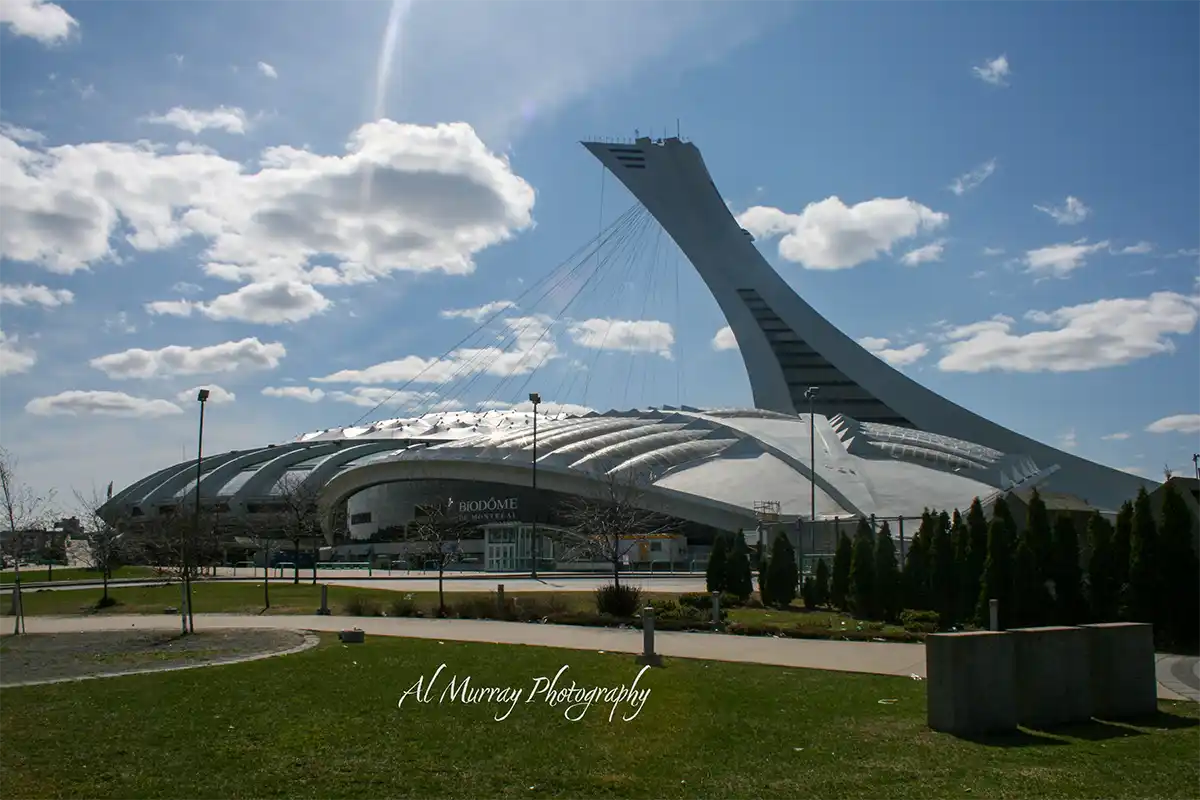
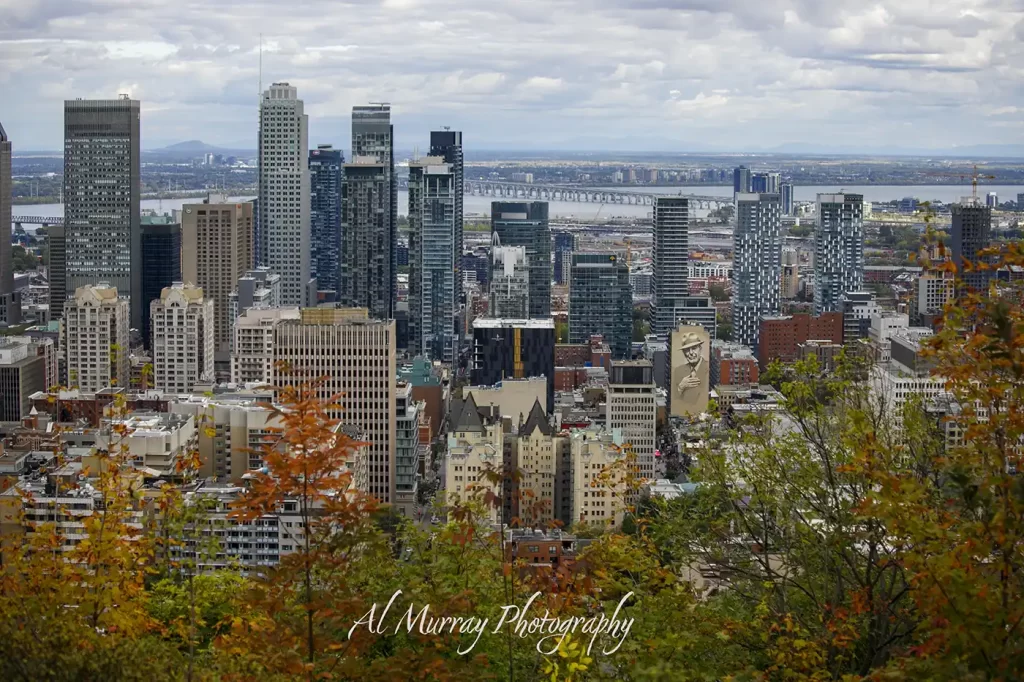
Five days in Montréal gives you time for Old Montréal, downtown, the Plateau, Mount Royal, markets and museums.
Five days in Ottawa supports Parliament, museums, neighbourhoods, the canal and Gatineau Park.
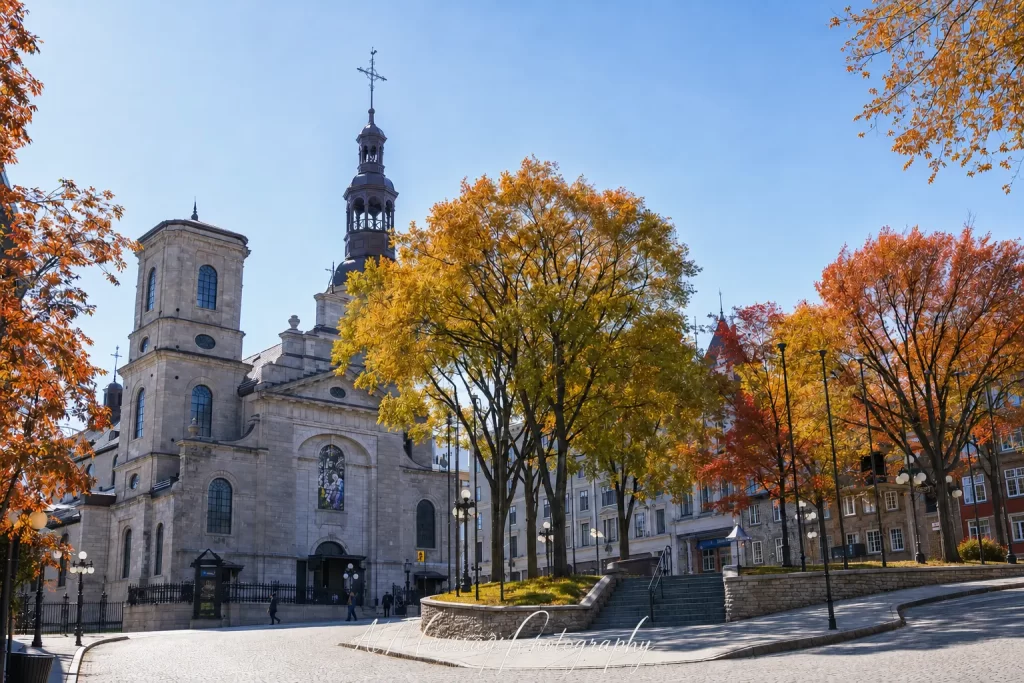
Five days in Québec City leaves room for Old Québec, the Plains of Abraham, Montmorency Falls and a slower food or museum day.
Combine Two Cities Over Seven to Ten Days
The easiest pairings are:
- Ottawa and Montréal
- Montréal and Québec City
- Ottawa and Québec City
Montréal and Québec City form the most popular combination. The cities feel different enough to justify the transfer, and the rail trip remains manageable.
Ottawa and Montréal suit travellers seeking easier walking, museums, food and strong public transit.
Ottawa and Québec City create a quieter, history-focused trip, though you will pass through Montréal by rail.
Visit All Three Cities Over 12 to 14 Days
A 14-day Montreal Quebec City and Ottawa itinerary gives each destination room to breathe.
Spend four nights in Ottawa, four nights in Montréal and four nights in Québec City. Use the remaining time for rail travel, weather delays or a lighter day.
Trying to squeeze three cities into six or seven days turns the holiday into a suitcase relay race. You will remember the stations better than the cities.
You do not need to visit all three cities. Start with the amount of time and energy you have, then choose the trip style that fits.
| Trip Style | Suggested Length | Best For | Main Trade-Off |
|---|---|---|---|
| One city | 4 to 5 days | Slower travel, one hotel and deeper neighbourhood visits | You miss the contrast between the three cities |
| Two cities | 7 to 10 days | A relaxed rail trip with fewer hotel changes | Route choice matters more |
| All three cities | 12 to 14 days | First-time visitors seeking the full experience | More packing and two travel days |
| Three cities plus skiing | 16 to 18 days | Winter travellers adding Mont-Tremblant or Mont-Sainte-Anne | Higher hotel and transport costs |
Fourteen days gives Ottawa, Montréal and Québec City enough room without turning the journey into a suitcase relay race.
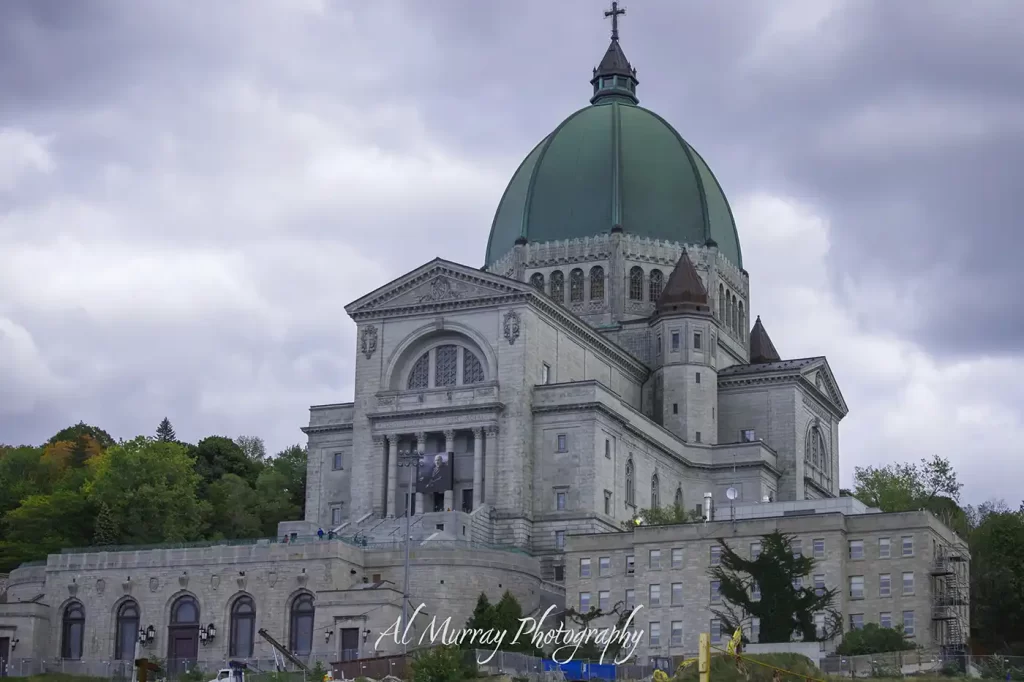
Should Your Montreal Quebec City and Ottawa Itinerary Be in Fall or Winter?
A fall Montreal Quebec City and Ottawa itinerary offers easier walking and colourful outdoor days. A winter journey delivers festivals, skating, skiing and snow-covered historic districts.
Both seasons deserve a proper trip.
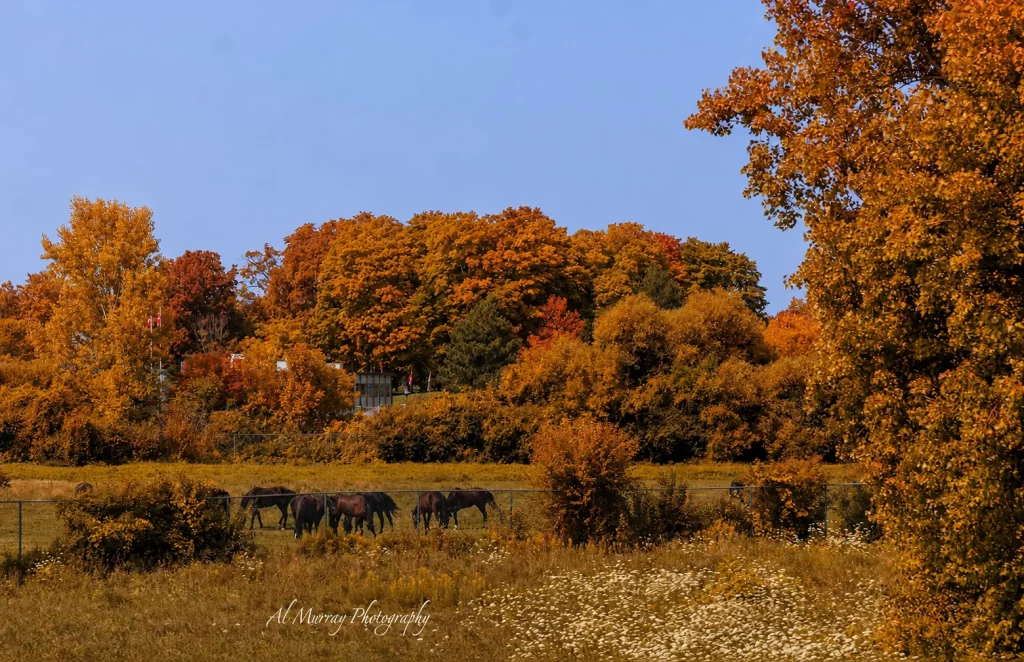
Fall offers easier walking, fall colour, cooler temperatures and fewer families travelling once school resumes.
Winter brings major festivals, skating, skiing, holiday lights and snow-covered city streets.
Your choice depends on mobility, weather tolerance and the type of experience you want.
Fall and winter offer different trips. Use this comparison to choose the season matching your pace, interests and tolerance for slippery sidewalks.
| Travel Factor | Fall | Winter |
|---|---|---|
| Best for | Fall colour, neighbourhood walks and easier outdoor sightseeing | Festivals, skating, skiing and snow-covered historic streets |
| Typical pace | Longer outdoor days with fewer weather interruptions | Shorter outdoor periods with warm indoor breaks |
| Main attractions | Gatineau Park, Mount Royal, Plains of Abraham and scenic drives | Winterlude, Québec Winter Carnival, Rideau Canal and ski extensions |
| Walking conditions | Wet leaves, rain and occasional early snow | Ice, slush, packed snow and hidden curbs |
| Crowd levels | Busy during peak colour weekends | Busy during festivals, Christmas and New Year |
| Packing priority | Waterproof shoes, layers and rain protection | Insulated boots, traction cleats and warm layers |
| Best choice for first visits | Strong choice for easier movement | Strong choice for travellers seeking winter atmosphere |
Fall offers easier movement and longer outdoor days. Winter delivers bigger events and a stronger sense of occasion.
Why Fall Works So Well
Fall gets my vote for a first visit.
The weather is cooler, the largest summer crowds have eased and long neighbourhood walks feel more comfortable. Families with school-aged children travel less frequently after September begins.
The downside is unpredictable weather. A sunny morning might turn into cold rain by dinner. Waterproof footwear matters more than matching luggage.
In Ottawa, Dow’s Lake and Gatineau Park deliver some of the strongest fall scenery. The National Capital Commission operates a seasonal Gatineau Park shuttle, including service from downtown Ottawa-Gatineau on selected days. Fall Rhapsody brings heavy visitor demand, so shuttle travel beats circling a full parking lot while everyone else photographs the same orange tree.
Montréal offers several distinct fall experiences. Mount Royal gives you broad views and colour. The Plateau adds cafés, murals and neighbourhood streets. Westmount feels quieter and more residential. Old Montréal brings architecture and atmosphere, although wet cobblestones require attention.
Québec City also works well in late fall. My two November visits brought pleasant conditions, active streets in the historic core and fewer peak-season crowds. November also sits between fall colour and full winter, so packing requires layers and a flexible attitude. Québec City tourism promotes fall for colourful streets and cooler nights, while late November starts the city’s holiday season.
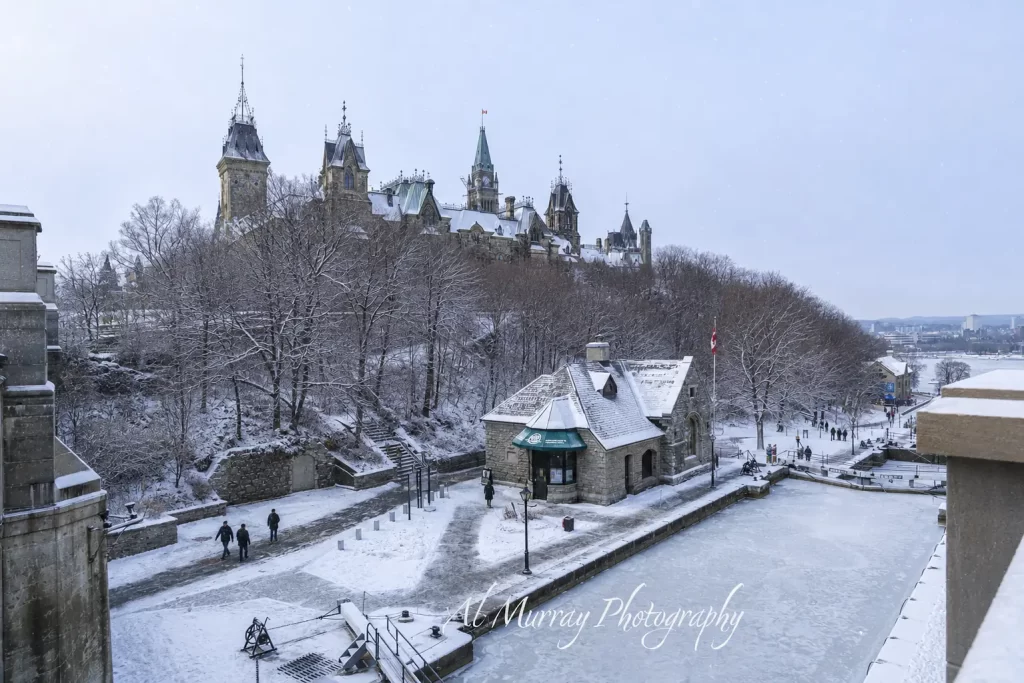
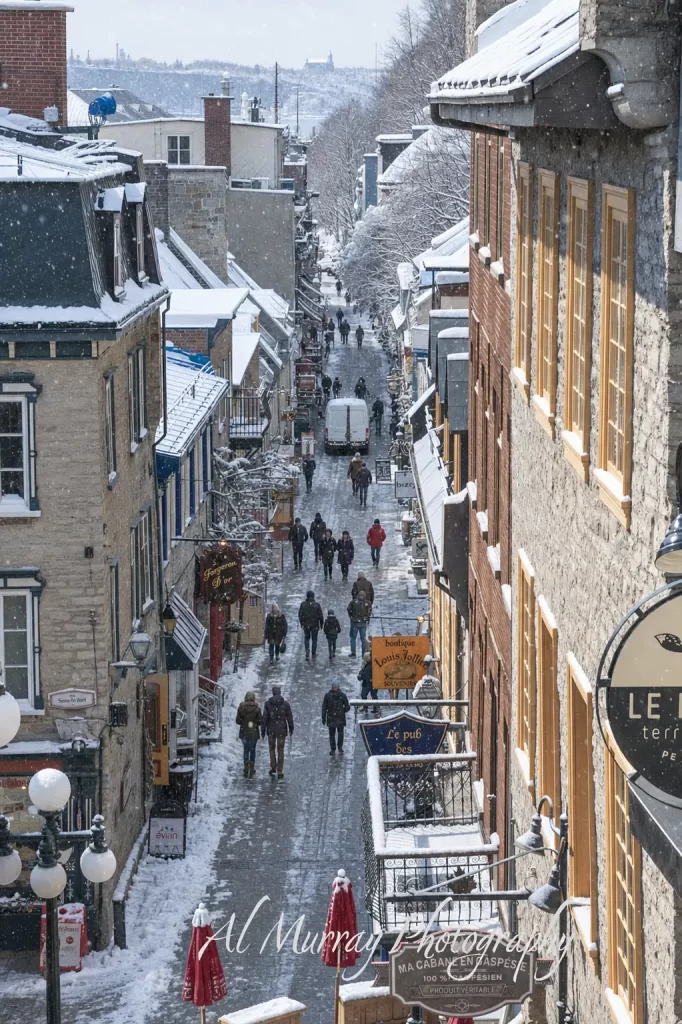
Why Winter Is More Than a Backup Plan
Winter delivers a different trip, not a lesser one.
Ottawa hosts Winterlude, with ice sculptures, outdoor activities and events spread across Ottawa and Gatineau. The festival normally runs during the first part of February. Many activities are free.
Skating on the Rideau Canal remains one of Ottawa’s classic winter experiences when weather and ice conditions cooperate. Opening dates and available sections change from year to year, so check conditions before building an entire day around skating.
Montréal remains lively through winter. Outdoor festivals, skating, food events, cultural performances and Mount Royal activities keep the city moving. Mount Royal supports winter walking, skating, cross-country skiing and snowshoeing.
I once spent a cold, blizzardy New Year’s Eve in Montréal. Fresh snow covered the pavement, curbs and uneven sections so thoroughly that judging where to step became tricky.
The city looked glorious. My footing had a less enthusiastic review.
Québec City embraces winter rather than pretending it is not happening. The Québec Winter Carnival brings night parades, snow sculptures, outdoor entertainment and the famous Bonhomme Carnaval. Québec City tourism also promotes skiing, snow sports and the Ice Hotel as major winter draws.
Best Route for a Montreal Quebec City and Ottawa Itinerary
The easiest Montreal Quebec City and Ottawa itinerary follows the rail corridor in one direction, avoiding unnecessary backtracking.
The simplest order is:
Ottawa to Montréal to Québec City
The reverse route works equally well.
Compare open-jaw flights into Ottawa and home from Québec City, or reverse the route. The cheapest round trip sometimes costs more after adding an extra hotel night and rail ticket. [Compare flight options for your travel dates.]
Your arrival city should depend on flight prices, train schedules and festival dates. An open-jaw flight, arriving in one city and leaving from another, removes unnecessary backtracking.
A cheaper return flight from Montréal might stop looking cheap after adding another train ride and hotel night.
Should You Take the Train?
For most mature travellers, rail offers the easiest option.
The stations sit closer to the city centres than the airports. You avoid downtown parking, winter highway stress and another round of airport security.
VIA Rail provides Wi-Fi on these routes and offers services for passengers with disabilities or reduced mobility. Review baggage allowances and assistance needs before booking, rather than arriving with three suitcases and optimism.
Is the Montréal to Québec City Train Scenic?
The route is pleasant rather than spectacular.
You will see farmland, wooded areas, smaller communities and seasonal scenery. Fall colour and fresh snow improve the views.
Take the train for comfort and convenience. Do not expect Rocky Mountain drama. Québec has many talents, but impersonating Banff is not one of them.
Should You Drive?
Driving suits travellers who want the journey between Montréal and Québec City to become part of the holiday.
The faster highways move you between the cities efficiently. Route 138, known as the Chemin du Roy, follows a slower route beside the St. Lawrence River and through communities such as Cap-Santé and Deschambault-Grondines. Trois-Rivières also makes a practical overnight stop near the midpoint.
Allow a full day for the scenic drive. Rushing the Chemin du Roy defeats the purpose.
Winter driving requires a separate decision. Travellers without experience on snow-covered roads should favour rail between the cities. Rent a car only for a ski extension or rural side trip.
A rental car suits the Chemin du Roy, Mont-Tremblant, Mont-Sainte-Anne and rural side trips. City-centre travellers will spend more time paying for parking than admiring the scenery. [Compare rental-car rates for your travel dates.]
Each city plays a different role in the trip. This quick comparison helps you decide where to add or remove nights.
Before setting your schedule, decide which destination deserves the most time in your Montreal Quebec City and Ottawa itinerary
| City | Best For | Ideal Stay | Main Caution |
|---|---|---|---|
| Ottawa | Museums, national history, waterways and green space | 3 to 4 nights | Attractions spread across a larger area |
| Montréal | Food, neighbourhoods, nightlife, museums and markets | 4 to 5 nights | Winter snow hides curbs and uneven pavement |
| Québec City | Historic atmosphere, photography and river views | 3 to 4 nights | Hills, cobblestones and stairs require pacing |
| City | Fall Highlight | Winter Highlight |
|---|---|---|
| Ottawa | Dow’s Lake and Gatineau Park | Winterlude and Rideau Canal skating |
| Montréal | Mount Royal, the Plateau and Westmount | Festivals, nightlife and Mont-Tremblant extension |
| Québec City | Plains of Abraham and late-fall Old Québec | Québec Winter Carnival and Mont-Sainte-Anne |
Add extra nights in Montréal for food and neighbourhoods. Add them in Québec City for history and atmosphere. Choose Ottawa when museums, parks and national landmarks rank highest.
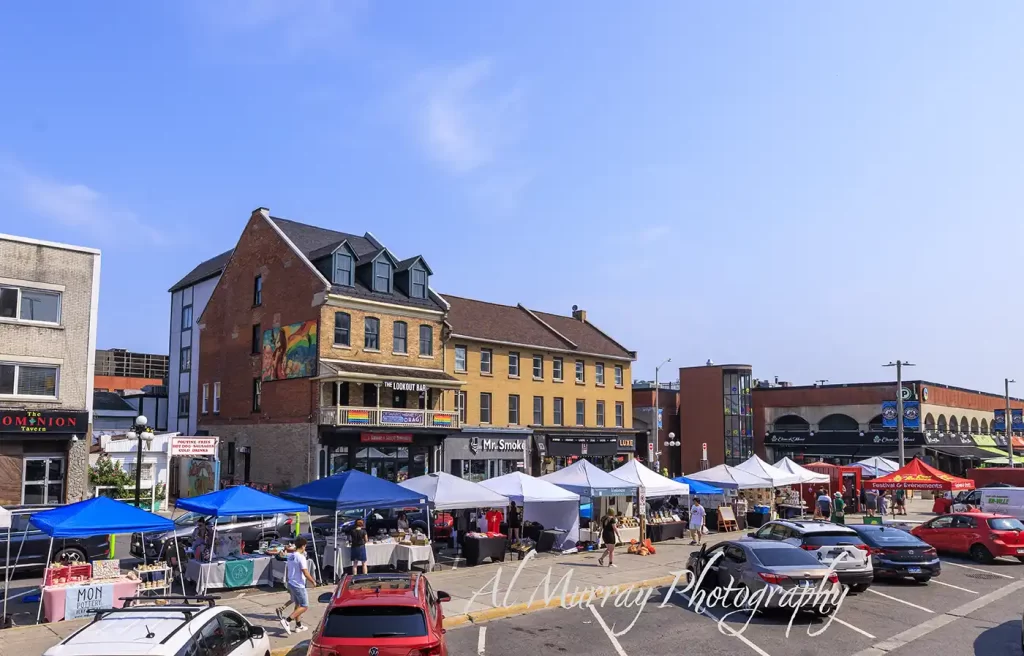
A Flexible 14-Day Itinerary
This sample Montreal Quebec City and Ottawa itinerary provides structure without scheduling every coffee and washroom break.
Days 1 to 4: Ottawa
Day 1: Arrive and Settle In
Choose a downtown hotel near Parliament Hill, Elgin Street, the Rideau Centre or the edge of ByWard Market.
Keep the first day light. Walk around Parliament Hill, Major’s Hill Park or the Rideau Canal locks. Eat near the hotel.
ByWard Market offers restaurants, bars and evening energy. It also brings noise. Read recent hotel reviews before booking.
Day 2: Parliament and One Museum
Start around Parliament Hill.
Then choose one museum.
Ottawa has enough major museums to fill several days. The Canadian Museum of History, National Gallery of Canada, Canadian War Museum and Canadian Museum of Nature each deserve more than a rushed dash through the lobby.
One museum in an afternoon is culture. Three museums before dinner is cardio with gift shops.
Day 3: Choose Your Season
In fall, head toward Dow’s Lake, the Arboretum or Gatineau Park.
Dow’s Lake holds strong personal memories from my Carleton years. It also offers a gentler outing than a full day hiking in Gatineau.
In winter, check Winterlude events or Rideau Canal skating conditions. Keep a museum or long lunch as the backup plan.
Winter weather does not negotiate with an itinerary.
Fall storms, winter delays and medical problems rarely ask permission before joining a holiday. Review cancellation, interruption and emergency medical coverage before paying for non-refundable bookings. [Compare travel insurance options for Canadian trips.]
Day 4: Explore Beyond Parliament Hill
Spend time in the Glebe, Lansdowne, Little Italy or another neighbourhood.
Ottawa’s expanded O-Train network now serves Carleton University through Line 2. Line 4 connects South Keys with Ottawa International Airport. The system makes several areas easier to reach without a car.
The LRT offers a far easier way to move around Ottawa than during my university years. Back then, getting across the city often required patience, a bus transfer and faith.
Day 5: Travel to Montréal
Take a morning or midday train.
After checking in, keep the afternoon simple. Walk along Sainte-Catherine Street, visit a nearby museum or settle into a café.
I still associate downtown Montréal with Second Cup on Sainte-Catherine Street and a meal at Reuben’s Deli.
Second Cup is a personal memory, not a claim about Montréal’s finest coffee. Reuben’s holds up better as a food stop.
Days 6 to 9: Montréal
Day 6: Old Montréal
Begin near Place d’Armes and Notre-Dame Basilica.
Continue toward Place Jacques-Cartier, the Old Port and the quieter side streets nearby.
Old Montréal offers the strongest historic atmosphere in the city. It also brings cobblestones, uneven paving and slippery winter conditions.
Wear stable shoes. Use a taxi or rideshare for the return when your knees start sending formal complaints.
Day 7: The Plateau and Mount Royal
The Plateau is one of the Montréal neighbourhoods I return to most.
It feels lived-in rather than staged for visitors. Cafés, murals, shops and residential streets reward slow wandering.
Pair the Plateau with Mount Royal when the weather cooperates. In fall, you get colour and city views. In winter, the mountain supports skating, snowshoeing and cross-country skiing.
Take transit for part of the climb. No medal waits at the top for the person who arrives tired and annoyed.
Day 8: Downtown and Westmount
Downtown suits poor-weather days.
Museums, shopping, restaurants and indoor connections reduce time outside during winter storms.
Westmount offers a quieter contrast. Its residential streets, parks and architecture suit travellers interested in photography and neighbourhood walks.
Downtown works better as a winter hotel base. Westmount suits travellers seeking calm and willing to spend more time using transit.
Day 9: Choose Food, Culture or Nightlife
Use one open day for your interests.
Visit Jean-Talon Market, spend time in Mile End, choose a museum or book an evening show.
Montréal nightlife adds energy without requiring anyone to stay out until 3 a.m. A late dinner and dessert still count. We make the rules now.
Not every Montréal métro station has elevators. Travellers with mobility concerns should check accessible stations and elevator status before leaving the hotel. The STM has expanded accessibility, though much of the network still requires stairs or escalators.
Day 10: Travel to Québec City
Take the train to Gare du Palais.
Use a taxi to reach an Upper Town hotel when travelling with luggage. The map might show a short walk. The map does not show your suitcase silently judging you halfway up the hill.
After checking in, walk along Dufferin Terrace and stop for dinner.
Do not attack Upper Town and Lower Town on arrival day.
Days 11 to 14: Québec City
Day 11: Old Québec
Start around Château Frontenac, Dufferin Terrace and Place d’Armes.
Continue toward the city gates, Petit-Champlain and Place Royale.
Old Québec is the must-see area for a first visit. Québec City tourism also recommends at least three days to experience the city rather than treating it as a quick photo stop.
Use the funicular between Upper and Lower Town when the climb feels excessive.
The streets are beautiful. They are also cobbled, sloped and deeply unconcerned about your knees.
Day 12: The Plains of Abraham
The Plains of Abraham produced my strongest memory from Québec City.
Walking across the site made the history feel immediate. The open space, river views and sense of scale give you more than a list of names and dates.
Pair the Plains with the Musée national des beaux-arts du Québec or a long lunch nearby.
This day offers a welcome break from Old Québec’s narrow streets and steady inclines.
Day 13: Choose Your Seasonal Experience
In fall, stay in the city or visit Montmorency Falls, Île d’Orléans or the surrounding countryside.
In winter, attend Québec Winter Carnival events when your dates align. Keep part of the day open for warming up indoors.
Try local dishes such as tourtière, pea soup, Québec cheese, maple products and poutine.
One poutine is cultural research. Four starts to look like a cry for help.
Day 14: Leave Room for Nothing
Do not fill every hour.
Use the last day for weather delays, a missed neighbourhood, a museum or a slow breakfast.
A flexible day protects the rest of the trip. One storm or tired afternoon no longer knocks the entire schedule sideways.
My recommendation is to find small walking tours in each of the cities. Local guides know current happenings, great restaurants and indoor activities when your mind and body say no to the weather outside. (Check for local activities here).
Add a Ski Extension
Winter travellers should consider extending the trip beyond 14 days.
Mont-Tremblant From Montréal
Add two or three nights at Mont-Tremblant after Montréal.
The resort combines downhill skiing with a pedestrian village, lodging, restaurants and non-ski winter activities. This arrangement works well for couples or families where not everyone skis.
Non-skiers still get shops, food, scenery and resort time. They do not need to spend three days guarding everybody’s boots.
Mont-Sainte-Anne From Québec City
Add two or three nights near Mont-Sainte-Anne after Québec City.
The resort offers downhill skiing, lessons, rentals, adapted skiing and lodging packages. Cross-country skiing and other winter activities broaden the appeal beyond downhill runs.
This extension pairs well with Québec Winter Carnival.
Enjoy the city’s noise and energy first. Then move to the mountain for quieter evenings.
Where Should You Stay?
Ottawa
Stay downtown for the easiest first visit.
You will have better access to Parliament, museums, restaurants and public transit.
ByWard Market works for travellers interested in nightlife. Light sleepers should stay a few blocks away.
Montréal
Choose downtown for:
- Central Station
- Stronger transit
- Shopping
- Museums
- Easier winter movement
Choose Old Montréal for:
- Historic atmosphere
- Architecture
- Restaurants
- Romantic evenings
Choose the Plateau for:
- Cafés
- Neighbourhood life
- Murals
- A more local feel
Choose Westmount for:
- Quieter streets
- Residential architecture
- A slower pace
For a first winter visit, downtown wins on practicality.
Québec City
Upper Town puts the major historic sights close to your hotel.
Lower Town and the Old Port offer flatter sections and easier access to Gare du Palais, though much of the sightseeing still sits uphill.
Before booking a historic hotel, ask about:
- Elevators
- Entrance steps
- Taxi access
- Walk-in showers
- Room distance from the lobby
- Snow clearing
- Nearby restaurants
“Historic character” sounds delightful until it means three flights of stairs and no one available to help with your suitcase.
Once you choose one city, two cities or the full route, compare refundable hotel rates before finalizing your rail schedule. [Check current hotel prices in Ottawa, Montréal and Québec City.]
Fall and Winter Mobility Advice
Ottawa
Downtown Ottawa is manageable, though distances between museums add up.
Wet leaves create slippery fall pathways. Winter brings ice, slush and snowbanks at some crossings.
Use the O-Train for longer trips and save your walking energy for the places worth seeing.
Montréal
Fresh snow often hides curb edges, potholes and uneven pavement.
Old Montréal needs extra care due to cobblestones. Downtown provides shorter transfers and more indoor options during harsh weather.
Check accessible métro routes before leaving the hotel.
Québec City
Québec City requires the most planning.
Use the funicular, taxis and buses rather than forcing every uphill walk. Official tourism guidance warns that Old Québec’s cobblestones create problems for travellers with reduced mobility.
Schedule Upper Town and Lower Town as separate parts of the day. Add a seated lunch between them.
What Should You Pack?
Fall
Bring:
- Waterproof walking shoes
- A rain jacket
- Warm layers
- Light gloves
- A compact umbrella
- A small day bag
Fall weather rewards layers. It punishes overconfidence.
Winter
Bring:
- Insulated waterproof boots
- Strong tread or removable traction cleats
- Warm socks
- Gloves or mittens
- A hat covering your ears
- A scarf or neck warmer
- Moisturizer and lip balm
- A coat with room for layers
Choose footwear for ice and snow, not for the hotel lobby mirror.
Good winter footwear matters more than fashionable luggage. I would pack [removable traction cleats], [warm merino-blend socks] and [waterproof insulated gloves] for icy sidewalks and long outdoor festival days.
Frequently Asked Questions
How many days do you need to see Montréal and Québec City?
Allow at least five days. Seven to ten days provides a better pace.
Spend three or four nights in Montréal and at least three nights in Québec City.
Is three days in Montréal too much?
No.
Three days covers Old Montréal, one neighbourhood day and one flexible day for museums, markets or poor weather.
Four or five days suits travellers interested in food, art and neighbourhoods.
Is three days in Québec City enough?
Three days covers the main sights.
Add a fourth night for Montmorency Falls, a winter festival or a slower pace. Québec City tourism also recommends a minimum of three days.
Should I spend more time in Montréal or Québec City?
Spend more time in Montréal for food, museums, nightlife and neighbourhood variety.
Spend more time in Québec City for history, photography and a slower atmosphere.
For most first visits, give Montréal one extra night.
Is Old Montréal or downtown better for a hotel?
Old Montréal wins for charm.
Downtown wins for transit, Central Station and winter convenience.
Travellers with mobility concerns should favour downtown unless the Old Montréal property meets every access need.
Is a Montréal to Québec City day trip worthwhile?
No.
The rail journey takes more than three hours in each direction. A same-day return leaves little time to enjoy Québec City. Stay at least two nights.
Where should you stop between Montréal and Québec City?
Trois-Rivières makes the easiest overnight stop.
For a slower scenic drive, follow parts of the Chemin du Roy and consider Cap-Santé or Deschambault-Grondines
What is the must-see place in Québec City?
Old Québec comes first.
Walk Dufferin Terrace, see Château Frontenac, visit Petit-Champlain and spend time around Place Royale.
Do not skip the Plains of Abraham. The site adds context and space beyond the postcard streets.
Is it okay to speak English in Québec?
Yes. English is widely spoken in the major tourist areas.
Start with “Bonjour,” then ask politely whether the person speaks English. A few French words show respect and make interactions easier.
Do you tip in Québec restaurants?
Yes.
Québec tourism guidance recommends tipping in restaurants, bars and taxis. A tip of roughly 15 percent before tax is a common baseline for table service.
Conclusion: Is this trip worth taking?
Yes.
A Montreal Quebec City and Ottawa itinerary works because each city gives you something different.
Ottawa provides museums, national history and outdoor space.
Montréal delivers food, neighbourhoods and urban energy.
Québec City finishes the journey with historic streets, river views and a stronger sense of place.
Choose one city for a focused seasonal break. Pair two for an easy rail holiday. Allow 12 to 14 days for all three.
Add Mont-Tremblant or Mont-Sainte-Anne when skiing belongs near the top of your winter plans.
Fall gives you colour and easier movement.
Winter gives you festivals, snow and a stronger sense of occasion.
The best trip is not the one with the longest attraction list. It is the one which leaves enough time to enjoy where you are.
And yes, that includes sitting in a café while everyone else rushes past.
Other Of My Posts You Might Like:
Canada Fall and Winter Getaways: Find the Canada Summer Visitors Miss
Maritimes Driving Tour for Seniors from Halifax: Self-Drive Route, Easy Stops, and Tour Options
Best Coffee Shops in Montreal for Travellers: Where to Go Without Wasting Time
Best Hotels in Montreal for Senior Travellers: 8 Easy Stays Near Transit, Food, and Attractions
Does Canada Celebrate New Years?
Visiting Ottawa for NYE 2025: Is It Worth It for a Winter Trip
Some Links to Some of My Reference Material for You to Use:
- VIA Rail Ottawa to Montréal
- VIA Rail Montréal to Québec City
- Ottawa Tourism
- Tourisme Montréal
- Québec City Tourism
- Québec Winter Carnival
- Mont-Tremblant
- Mont-Sainte-Anne
Please note: the opinions expressed in this post should never be construed as advice. The thoughts are based on my experiences and those of my friends and family. Whether traveling, exercising or other activity it is always a matter of personal preference.  Find what you like and enjoy and share if you want with us all!
Also: If considering a change in diet, exercise, nutrition and or supplements, you must consult your medical practitioner to make sure that what you are about to embark upon doesn’t interfere with your current treatments.
Photo acknowledgements
Where the image contains my watermark of Al Murray Photography, I hold the copyright to that image. If interested in purchasing images or license agreements, please visit: https://almurrayphotography.com/ or you can contact me via email at: althephotographer101@gmail.com
Other images are sourced via “Unsplash.” Please visit and show them some love. Below I will list the artists whose work I am using. I will, from time to time, use AI to enhance one of my own images or create images that suit the subject matter.