
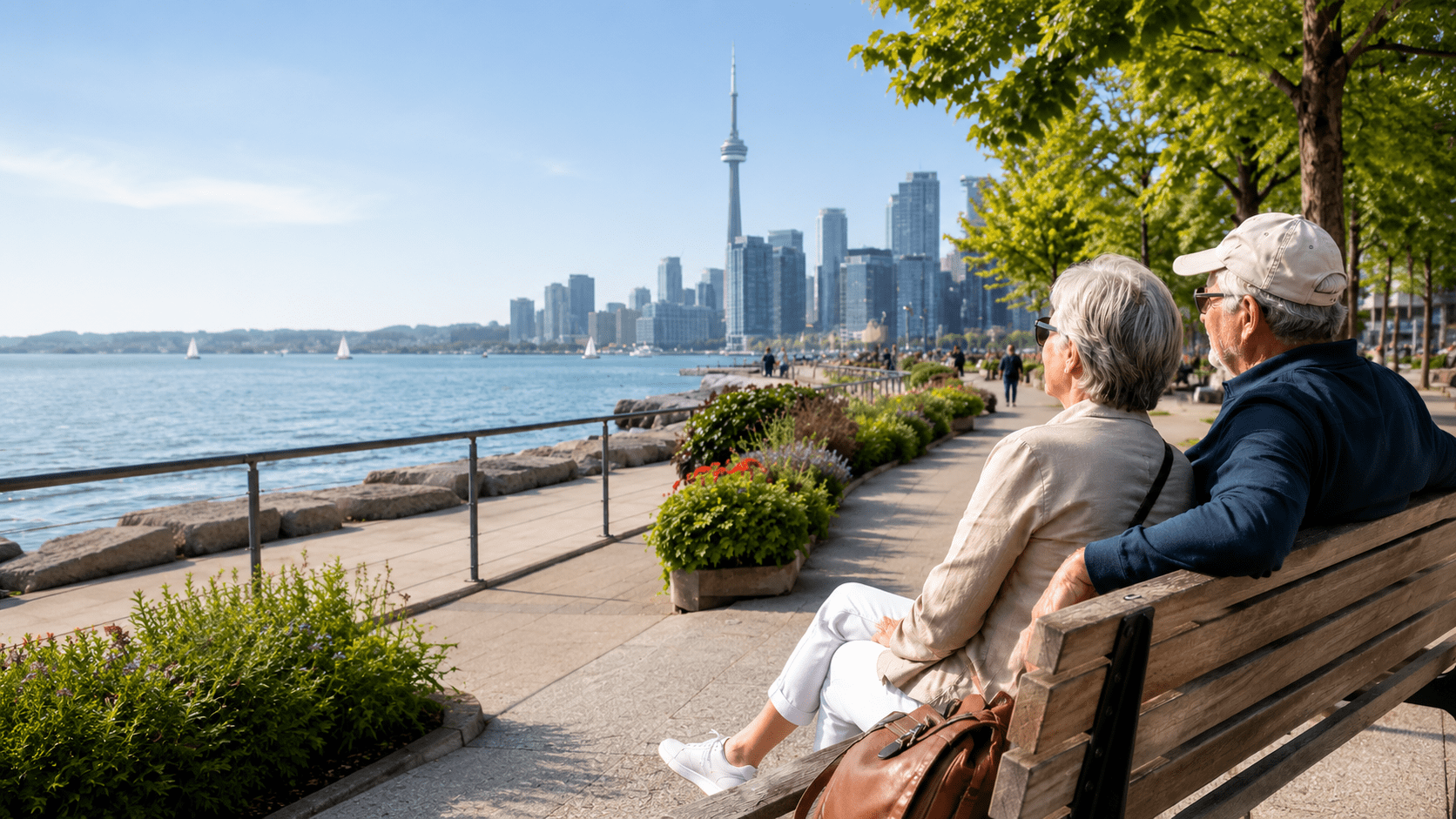
Where to Stay in Toronto With Limited Mobility: Best Areas for Less Walking
Table of Contents
Introduction
Where to stay in Toronto with limited mobility depends on three choices. Start with your arrival point, two priority attractions and daily walking limit.
For most first-time visitors, my answer is Union Station and the South Core. The area offers the simplest arrival by train or UP Express. Major sports venues and waterfront attractions also sit nearby.
Yorkville is better for museums and cafés. Queen and University suit theatre and art. St. Lawrence works for food and history. Harbourfront suits a slower lakefront stay.
I lived and worked in Toronto’s Financial District and used the PATH almost every day. Toronto hotel maps love the phrase “steps from.” They rarely identify the entrance, corridor length or busy crossing hidden behind those words.
This guide fills in the missing part and helps you choose the area first, then the hotel.
The comparison focuses on Toronto hotels near accessible subway stations and short attraction clusters. The strongest Toronto hotel neighbourhoods for seniors also provide cafés, meals and easy return routes.
Quick Answer: Where to Stay in Toronto With Limited Mobility
| Your main trip priority | Best area | Why I would choose this area | Main caution |
|---|---|---|---|
| Easy arrival, first visit, sports and major attractions | Union Station and South Core | Best all-round balance of transit, indoor connections and nearby sights | Long station corridors and event crowds |
| ROM, Yorkville shopping, cafés and a calmer pace | Yorkville and Bloor | Strong museum and dining cluster | Higher hotel rates and busy Bloor-Yonge transfers |
| AGO, theatre, opera and Eaton Centre | Queen and University | Several attractions sit in one central arts zone | Wide crossings and busy sidewalks |
| St. Lawrence Market, food and Old Toronto history | St. Lawrence and Old Town | Good local cluster with many meal stops | Weaker subway access and uneven surfaces toward Distillery |
| Lake views and an unhurried visit | Harbourfront | Flat waterfront routes and streetcar access | Fewer inland attractions outside the immediate area |
Still undecided? Choose Union Station and the South Core. Union is the safest default for a short first visit. The case grows stronger after a VIA Rail, GO Transit or UP Express arrival.
At-a-Glance Decision Tree
Arriving by train or UP Express?
Stay near Union Station.
Building the trip around the ROM, Gardiner Museum and Yorkville cafés?
Stay near Bay or St. George stations.
Planning theatre, opera, AGO and Eaton Centre visits?
Stay near Osgoode, St. Andrew or Queen stations.
More interested in food and history than subway convenience?
Stay near St. Lawrence Market.
Want lake views and one gentle outing per day?
Choose Harbourfront.
Still comparing everything?
Return to Union. Toronto has already given you enough decisions.
What “Limited Mobility” Means in This Guide
This is a lower-walking guide, not a full wheelchair-accessibility audit.
You might use a cane or manage knee or hip pain. You might also tire faster or save energy for museums and dinner. You still want to explore Toronto. You do not want the hotel location to turn each outing into an endurance event.
An accessible subway station does not mean every entrance is step-free. Some accessible routes depend on one building entrance or a non-TTC elevator. Large interchange stations also involve long corridors and several level changes.
At the time of this August 2026 update, King Station is still under construction for accessibility upgrades through the end of 2026. Museum Station is targeted for completion in the third quarter of 2026. Check the latest TTC service alerts before travel.
My broader Accessible Travel in Canada for Seniors guide explains the questions worth asking before any trip.

How I Decide Where to Stay in Toronto With Limited Mobility
My rule is simple.
Write down your three most important Toronto activities. Put them on a map. Choose the hotel area closest to at least two.
Then check three practical details:
- How are you arriving? A hotel near Union saves effort after a train or airport-rail trip.
- Which transit entrance is step-free? The closest station entrance might not be the useful one.
- Will you return to the hotel midday? A central base makes a rest break much easier.
I would pay a little more for the right block. A cheaper room loses value after two daily taxi rides and a long walk.
Cheap hotel math has a nasty habit of becoming expensive holiday math.
1. Union Station and South Core: Best Overall Choice
Union Station and the South Core rank first for readers deciding where to stay in Toronto with limited mobility.
This area suits first-time visitors, short stays, train arrivals, sports trips and anyone who wants several major attractions close together.
The Union zone includes the CN Tower, Ripley’s Aquarium and Hockey Hall of Fame. Rogers Centre and Scotiabank Arena also sit nearby. The PATH also links Union with hotels, office towers, restaurants and indoor routes through downtown.
I used the PATH daily when I worked in the Financial District. The network helps in rain, snow, heat and bitter cold, yet wrong turns come easily.
Follow the signs. Then follow them again. You might still emerge in an office tower lobby wondering when your holiday became an underground scavenger hunt.
Choose Union When
- You arrive by VIA Rail, GO Transit or UP Express.
- You are visiting Toronto for two to four days.
- You want the CN Tower, aquarium, sports or waterfront.
- You value a midday hotel break.
- You prefer fewer arrival-day transfers.
Think Twice When
- Your trip revolves around Yorkville museums.
- You dislike game-night crowds.
- Long station corridors are harder than outdoor walking.
- You want a quiet residential atmosphere.
My detailed guide to hotels close to Union Station compares the true arrival effort, not only the map distance.
My verdict: Union Station is the best area to stay in Toronto for less walking during a first visit.
2. Yorkville and Bloor: Best for Museums, Cafés and a Calmer Pace
Yorkville and Bloor suit travellers who place culture, meals and coffee breaks above sports venues.
The ROM, Gardiner Museum, Bata Shoe Museum and Yorkville shops form a useful local cluster. Bay, Bloor-Yonge and St. George stations offer accessible routes, though Bloor-Yonge is a large four-level interchange.
I would favour Bay or St. George when the itinerary allows. Bloor-Yonge works, but a transfer there sometimes feels like a small expedition with fluorescent lighting.
The ROM offers free manual wheelchairs with photo identification. Elevators and free support-person admission also help.
Choose Yorkville When
- The ROM anchors your trip.
- You enjoy cafés, galleries and shopping.
- You want a more polished evening atmosphere.
- You prefer one or two cultural activities per day.
- Your budget supports higher neighbourhood hotel rates.
Think Twice When
- You plan frequent waterfront or stadium visits.
- You want the lowest hotel rate.
- Busy interchange stations cause stress.
- You plan to cross downtown several times each day.
When weighing where to stay in Toronto with limited mobility, Yorkville is my choice for a slower museum-and-meals visit.
My verdict: Yorkville is the best Toronto area for older travellers who want culture without a packed schedule.
3. Queen and University: Best for Theatre, Opera and Art
Queen and University offer the best base for theatre, opera, AGO visits and indoor shopping.
The central arts zone includes the Four Seasons Centre, Roy Thomson Hall and major theatres. The AGO and Toronto Eaton Centre also fit this base.
Osgoode, St. Andrew and Queen stations provide accessible routes. Eaton Centre also gives you indoor seating, washrooms, food and shelter from bad weather.
This area supports a simple day. Visit one gallery, have lunch, rest at the hotel and attend an evening performance.
No heroic cross-city march required.
Choose Queen and University When
- Theatre or opera drives the trip.
- You want the AGO or Eaton Centre.
- Indoor routes matter in winter or rain.
- You want many dining choices nearby.
- You plan one major daytime activity plus an evening show.
Think Twice When
- Noise and crowds drain your energy.
- Wide intersections feel uncomfortable.
- Your trip focuses on Yorkville or Harbourfront.
- You want a peaceful neighbourhood outside the hotel.
For someone choosing where to stay in Toronto with limited mobility, Queen and University beat a random Yonge Street hotel. The arts-and-theatre cluster gives the area a clear purpose.
My verdict: This is the best alternative to Union for a performance-focused trip.
4. St. Lawrence and Old Town: Best for Food and History
St. Lawrence and Old Town suit food-first travellers. The area combines the market, historic streets, restaurants and a slower local rhythm.
St. Lawrence Market, Berczy Park, the Hockey Hall of Fame and several Old Toronto landmarks sit within the broader area. The neighbourhood feels less corporate than the Financial District and offers many natural meal and coffee stops.
The trade-off is transit. Subway access is less direct than Union or Yorkville. Accessible streetcars help, but they still require route planning.
The Distillery District sits farther east. Its historic cobblestones are charming in photographs and less charming under a cane, walker or sore knee.
Choose St. Lawrence When
- Food and history top your list.
- You prefer one neighbourhood per day.
- You are comfortable using streetcars, taxis or rideshare.
- You enjoy markets and café stops.
- You want a more human-scale downtown atmosphere.
Think Twice When
- You rely entirely on subway elevators.
- Uneven surfaces cause pain or instability.
- Theatre or Yorkville museums drive the trip.
- You want direct indoor transit access.
St. Lawrence is not my default answer to where to stay in Toronto with limited mobility. The neighbourhood is the right answer for a food-first traveller who accepts a little more transit planning.
My verdict: Choose Old Town for flavour and history, not for the easiest subway access.
5. Harbourfront: Best for Lake Views and a Slow Schedule
Harbourfront suits travellers who want Lake Ontario outside the hotel and fewer daily ambitions.
The 509 Harbourfront and 510 Spadina streetcars connect the waterfront with Union Station. TTC streetcars have barrier-free boarding ramps at the second door, though not every stop works equally well during diversions or construction.
The waterfront feels flatter than areas farther north. Flat does not mean short. Queen’s Quay stretches farther than the map suggests, and lake wind adds bite in cooler weather.
Choose Harbourfront When
- Lake views matter more than museum access.
- You plan one gentle outing per day.
- You are comfortable using streetcars.
- A quiet morning matters.
- You want easy access to Harbourfront Centre and boat departures.
Think Twice When
- Theatre and museums dominate your plans.
- Cold wind affects your stamina.
- You want many restaurant choices on the same block.
- You dislike relying on a streetcar connection.
Harbourfront answers where to stay in Toronto with limited mobility for a restful visit. Union serves a fuller sightseeing list.
My verdict: Choose Harbourfront for pace and scenery. Choose Union for broader convenience.
Areas I Would Not Choose for a Lower-Walking First Visit
A poor answer to where to stay in Toronto with limited mobility starts with the cheapest room. A better answer starts with the daily route.
A Random Hotel Labelled “Downtown”
“Downtown Toronto” covers too much territory.
Check the exact intersection, nearest accessible station entrance and your top attractions. A low rate loses its charm when each day starts with a long walk to transit.
My Toronto Hotels by Neighbourhood guide gives the wider city comparison.
An Airport Hotel for a Downtown Sightseeing Trip
Airport hotels often cost less. Daily trips downtown add time, transfers and walking.
Choose Pearson only for an early flight, layover, airport-area event or car-based trip. My Toronto Airport Hotel vs Downtown comparison explains the trade-off.
Queen West or Little Italy for a Short First Visit
Both areas offer excellent food and character.
They also spread attractions along long east-west corridors. Streetcars help, but Union, Yorkville or University offer simpler first-visit bases.
Visit these neighbourhoods for a focused outing. Do not make them your base only because the hotel description says “vibrant.”
Vibrant often means your room hears the nightlife before you do.

How to Choose the Hotel After Choosing the Area
Once you know where to stay in Toronto with limited mobility, examine the building.
Before booking, ask:
- Which entrance provides step-free access?
- Does the room have a walk-in shower or a bathtub?
- How far is the room from the elevator?
- Does the lobby have firm seating?
- Is breakfast or coffee available inside the hotel or next door?
- Is there a clear taxi and rideshare drop-off point?
- What does the hotel mean by “accessible room”?
- Does the rate allow cancellation?
A hotel website saying “accessible” leaves major questions unanswered. Confirm bed height, toilet height, grab bars, doorway width and shower layout.
The final answer to where to stay in Toronto with limited mobility must include both the neighbourhood and the room.
My Questions to Ask When Booking a Hotel guide covers the details worth confirming before paying.
Should You Book a Toronto Walking Tour?
A guided tour still works when you know the physical demands before paying.
For most readers, I would choose one of these:
- A hop-on hop-off bus tour. You get a broad city overview without one long continuous walk.
- A private, customizable Toronto tour with hotel pickup. Ask the operator to limit walking, stairs and standing time.
- A short food tour around St. Lawrence Market. Choose this only after checking distance, seating, washrooms and the Distillery cobblestones.
Note: for any of the above tours, I would recommend contacting the provider before booking if you have special needs and or requirements.
A generic “three-hour walking tour” description tells you almost nothing useful.
Before booking, ask for the total distance, longest standing period, stair count, walking surface and cancellation terms.
Build Each Day Around One Toronto Cluster
The easiest Toronto trip does not involve five neighbourhoods before dinner.
From Union, combine the CN Tower and Ripley’s Aquarium.
From Yorkville, combine the ROM with lunch and a short Yorkville browse.
From Queen and University, visit the AGO or Eaton Centre, rest, then attend a performance.
From Old Town, visit St. Lawrence Market and Berczy Park. Add Distillery by streetcar or taxi.
From Harbourfront, take a waterfront outing and leave the rest of the day open.
My Visiting Toronto for the First Time guide helps you build a realistic first itinerary.
My Toronto Streetcar Sightseeing Tour also offers a lower-walking way to see more of the city.
Frequently Asked Questions
What is the best area to stay in Toronto with limited mobility?
Union Station and the South Core are the best overall choice for most first-time visitors. The area offers simple train and airport-rail arrival, strong transit and several major attractions in one zone.
Is Yorkville better than Union Station for less walking?
Yorkville is better when the ROM, cafés, shopping and museums drive the trip. Union is better for train arrival, sports, the CN Tower, Ripley’s Aquarium and short first visits.
Are all downtown Toronto subway stations accessible?
No. Check the exact station and entrance before travel. Elevator outages and construction also affect step-free routes. Also, check the TTC website in case there are outages for repairs on any given day.
Is the PATH suitable for travellers with limited mobility?
The PATH protects you from weather and includes many elevators and escalators. The network is not one simple corridor. Routes involve turns, level changes and building entrances, so save the map and ask for directions early.
Should I stay near Pearson to save money?
Only when an early flight, layover, airport-area event or car-based trip matters more than downtown sightseeing. Daily airport-to-downtown travel often erases the room-rate savings.
Is a walking tour a good idea with knee pain?
The answer depends on duration, distance, surfaces, stairs, standing time and rest stops. Contact the operator before booking. A hop-on hop-off bus, private customized tour or streetcar outing is often the smarter choice.
How many Toronto areas should I visit in one day?
One main cluster is enough for a comfortable trip. Add a second nearby stop only when your energy still feels good.
Final Verdict: Where to Stay in Toronto With Limited Mobility
Where to stay in Toronto with limited mobility comes down to your trip, not the longest hotel amenity list.
Choose Union Station and South Core for the easiest all-round first visit.
Choose Yorkville and Bloor for museums, cafés and a calmer cultural trip.
Choose Queen and University for theatre, opera, AGO and indoor options.
Choose St. Lawrence and Old Town for food and history.
Choose Harbourfront for lake views and a slower schedule.
Then choose the hotel inside the right area. Confirm the entrance, shower, elevator route, room location and cancellation terms before booking.
Toronto rewards smart positioning.
Pick the right block and the city feels manageable. Pick the wrong one and your “five-minute walk” starts developing a suspicious backstory.
Other Posts You Might Find Helpful
- Toronto Hotels by Neighbourhood
- What Hotels Are Close to Union Station in Toronto?
- Toronto Airport Hotel vs Downtown
- Questions to Ask When Booking a Hotel
- How Much Should I Budget for a Toronto Hotel?
- Visiting Toronto for the First Time
- Toronto Streetcar Sightseeing Tour
- Accessible Travel in Canada for Seniors
External References
- TTC Union Station
- TTC Elevators and Escalators and TTC Service Alerts
- TTC King Station Accessibility Project and TTC Museum Station Accessibility Project
- City of Toronto PATH Information and Map
- TTC Accessible Streetcar Information
- Royal Ontario Museum Accessibility and AGO Accessible Visit Information
- Distillery Historic District Accessibility FAQ