
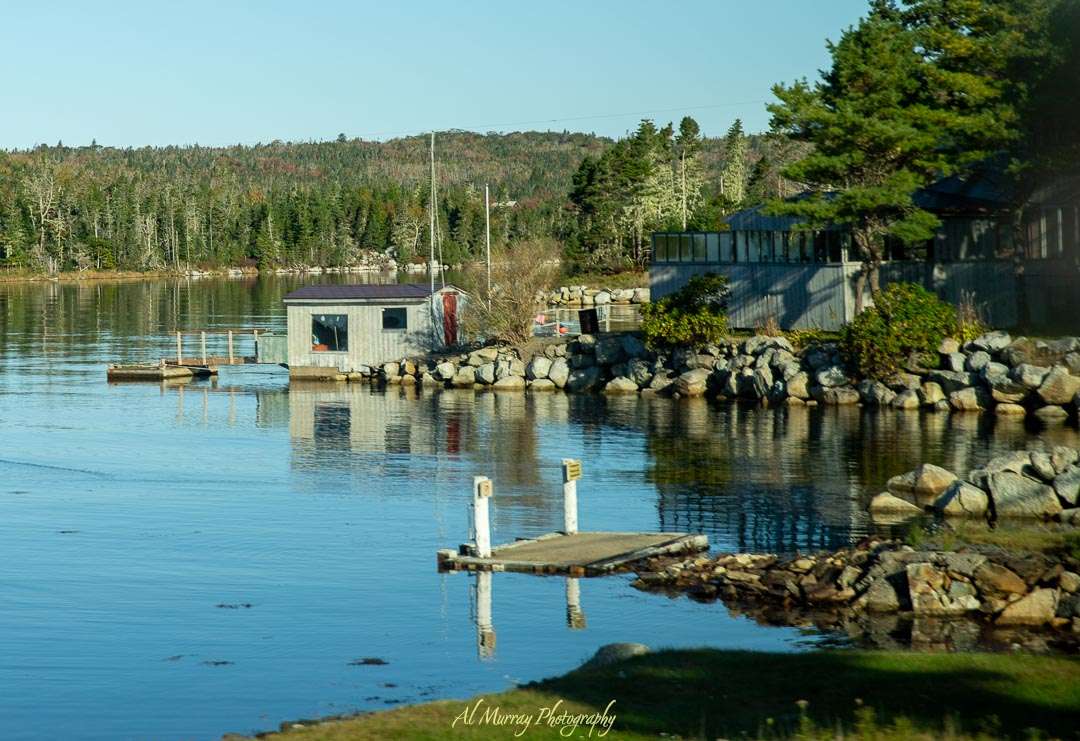
Places to Visit in East Coast Canada: Best Stops for Mature Travellers Who Like Comfort, Coastlines, and Lobster
Table of Contents
Introduction
Places to Visit in East Coast Canada should give you sea air, good food, easy pacing, and enough stories to make your friends lean in over coffee. This guide is for mature travellers who want Atlantic Canada without turning the trip into a military exercise with lobster.
So, is East Coast Canada worth visiting?
Yes, especially if you like coastal drives, walkable cities, local food, history, and friendly towns with more character than polished tourist traps. The trick is not trying to see everything in one week. That plan is trash. You will spend more time staring through a windshield than enjoying the trip.
For most mature travellers, the best plan is simple. Choose one or two provinces. Stay longer in fewer bases. Book your car early. Build in quiet mornings. Then let the East Coast do what it does best: slow you down, feed you well, and make you wonder why you waited so long.
The best Atlantic Canada stops for mature travellers are Halifax, Peggy’s Cove, Lunenburg, Cape Breton and the Cabot Trail, Charlottetown, the Confederation Trail, Hopewell Rocks, Saint John, St. John’s, Gros Morne, and L’Anse aux Meadows.
Quick Answer: Best Places to Visit in East Coast Canada
| Traveller type | Best base | Best nearby experience | Why it works |
| First-time visitor | Halifax | Peggy’s Cove and Lunenburg | Easy flights, hotels, food, tours, and day trips |
| Scenic road tripper | Cape Breton | Cabot Trail | Big views, small towns, slower pace |
| Gentle walker | Charlottetown | Confederation Trail | Flat sections, compact downtown, relaxed food scene |
| Nature lover | Moncton or Saint John | Hopewell Rocks and Bay of Fundy | Big natural sights with manageable planning |
| Bucket list traveller | St. John’s or Gros Morne | Whales, icebergs, fjords, Viking history | Wild, memorable, and worth extra time |
| Car-free traveller | Halifax | Waterfront, museums, guided tours | Best Atlantic city for a no-car starter trip |
Where Exactly Is East Coast Canada?
Places to Visit in East Coast Canada sit mainly in Atlantic Canada. This region includes four provinces: Nova Scotia, New Brunswick, Prince Edward Island, and Newfoundland and Labrador.
The Maritimes are Nova Scotia, New Brunswick, and Prince Edward Island. Newfoundland and Labrador sits in Atlantic Canada, but it is not part of the Maritimes. Newfoundlanders know this. They will let you know. Politely, mostly.
For travel planning, think of the East Coast as four distinct personalities.
Nova Scotia gives you Halifax, fishing towns, coastal drives, and Cape Breton.
Prince Edward Island gives you red sand, Anne of Green Gables country, seafood, beaches, and gentle cycling.
New Brunswick gives you the Bay of Fundy, Acadian culture, forests, and underrated city stops.
Newfoundland and Labrador gives you St. John’s, whales, icebergs, Viking history, Gros Morne, and weather with a sense of humour.


Why Places to Visit in East Coast Canada Work So Well for Mature Travellers
Places to Visit in East Coast Canada suit travellers who prefer meaning over mayhem. You get history, scenery, music, seafood, and enough benches to make a stiff knee feel respected.
This region works well for solo seniors, couples, grandparents with family, and LGBTQ+ mature travellers looking for safe, friendly, low-drama destinations.
The East Coast also rewards shoulder season travel. Late May, June, September, and early October often feel better than peak summer. You get fewer crowds, easier restaurant bookings, and less of the “everybody and their cousin is here” energy.
July and August still work well, especially for festivals and family trips. Book early, though. Rental cars and coastal hotels disappear faster than warm biscuits at a church supper.
My Take: Do Not Treat This Like a Checklist
Here is where I get blunt.
A seven-day trip covering Nova Scotia, PEI, New Brunswick, and Newfoundland is a bad plan for most mature travellers. It looks impressive on paper. It feels miserable by day four.
The smarter move is to build the trip around your energy, not your ego.
If you want a relaxed first trip, start with Halifax for three or four nights. Add Peggy’s Cove, Lunenburg, and the Annapolis Valley or Cape Breton if you rent a car.
If you want PEI, give it time. Charlottetown deserves more than a quick dinner and a rushed photo of Anne.
If Newfoundland is your dream, treat it like its own trip. It is bigger, wilder, and less forgiving for poor planning. The reward is huge, but so are the driving distances.
On my own trips to Halifax and St. John’s, my knees were not throwing a parade. The steep streets down to waterfront areas taught me a simple rule: pretty harbour towns often come with hills. Plan your walking before your knees file a formal complaint.
Best City Base: Halifax, Nova Scotia
Places to Visit in East Coast Canada often start with Halifax for one good reason. It is easy.
Halifax has the best mix of flights, hotels, restaurants, waterfront walks, museums, tours, and day trips in Atlantic Canada. If you are new to the region, this is the safest first choice.
Start with the Halifax Waterfront. It is scenic, lively, and easy to break into short sections. Stop for coffee, seafood, people-watching, or a bench break. This is not a place to rush.
Citadel Hill is worth visiting, but remember the word “hill.” The clue is right there, my friend. If mobility is a concern, look at taxis or guided tours instead of marching uphill like you are joining a regiment.
Pier 21 is one of Halifax’s strongest indoor stops. It gives the city a deeper story beyond pretty harbour views. It also works well on rainy days, which Halifax likes to keep handy.
Best Classic Day Trip: Peggy’s Cove and Lunenburg
Peggy’s Cove is one of the most famous Places to Visit in East Coast Canada, and yes, it is touristy. It is also worth seeing.
The lighthouse, granite rocks, fishing village, and crashing water all deliver the postcard moment. The key is timing. Go early or later in the day if possible. Midday bus crowds turn the place into a lighthouse-themed family reunion.
Important safety note: stay off wet black rocks. This is not a suggestion. The ocean does not care about your new walking shoes.
Lunenburg is a better slow travel stop. The town has colourful buildings, harbour views, shops, restaurants, and enough heritage charm to keep your camera busy. It suits mature travellers better than a rushed photo stop.
If you do both Peggy’s Cove and Lunenburg in one day, book a small group tour or rent a car. A tour works better if you dislike driving unfamiliar roads. A car works better if you like lingering over lunch.


Best Scenic Drive: Cape Breton and the Cabot Trail
Places to Visit in East Coast Canada do not get much better than Cape Breton if you love road trips.
The Cabot Trail gives you cliffs, ocean views, forested hills, small communities, and the kind of curves where your passenger grips the door handle and pretends they are fine.
This is a trip for pacing. Do not drive the Cabot Trail as a quick loop unless you enjoy stress with a view. Stay at least two nights in Cape Breton. Three is better.
Baddeck works well as a gentle base. Ingonish suits travellers who want beaches, hikes, and Cape Breton Highlands National Park nearby. Chéticamp works well for Acadian culture, sunsets, and the western side of the trail.
For mobility, choose lookouts and short trails instead of long hikes. Many of the best views do not require heroic effort. Your knees and hips deserve a vote.
Best Gentle Island Trip: Prince Edward Island
PEI feels softer than the rest of Atlantic Canada. That is not an insult. It is part of the charm.
Charlottetown is compact, friendly, and easy to enjoy over two or three nights. It offers history, theatre, restaurants, waterfront walks, and a relaxed pace.
Green Gables and Cavendish suit Anne fans, families, and anyone who wants red cliffs, beaches, and a bit of literary nostalgia. Even if Anne was never your thing, the countryside earns its keep.
The Confederation Trail is a strong option for walkers and cyclists. Choose short sections instead of treating the whole thing like a fitness test. A half-hour stroll followed by lunch counts as travel wisdom.
Atlantic Canada stops should not all require rugged boots. PEI proves gentle travel still feels rich.
Best Natural Wonder: Hopewell Rocks and the Bay of Fundy
New Brunswick gets ignored too often. That is a mistake.
Hopewell Rocks is the headline stop. The Bay of Fundy tides reshape the experience throughout the day, so timing matters. Aim to see low tide and high tide if your schedule allows.
At low tide, you walk on the ocean floor. At high tide, the water rises around the flowerpot rocks. It is the same place, but it feels like nature changed the set between acts.
Moncton works as a practical base for Hopewell Rocks and Magnetic Hill. Saint John works better for the Reversing Falls, the historic market, and Fundy coastal drives.
If you like quieter trips, New Brunswick is a smart choice. It has fewer big-name bragging rights than Nova Scotia, but it gives you room to breathe.
Best Big Bucket List Trip: Newfoundland and Labrador
Places to Visit in East Coast Canada reach another level in Newfoundland and Labrador.
St. John’s is colourful, hilly, social, windy, musical, and unlike anywhere else in Canada. Signal Hill and The Rooms belong on your list, but pace your walking. St. John’s streets were not built by people worried about knee replacements.
Whale watching is a major reason to visit from late spring into summer. Icebergs are more unpredictable, but late spring and early summer often give travellers the best shot.
Gros Morne National Park is the showstopper for nature lovers. It has fjords, mountains, coastal communities, and geology with attitude. If rocks ever deserved a fan club, Gros Morne gets one.
L’Anse aux Meadows sits farther north and adds Viking history to the trip. It is not a quick add-on from St. John’s. Treat western and northern Newfoundland as a separate route.
If Newfoundland is on your bucket list, give it 10 to 14 days if possible. Anything shorter needs hard choices.


Getting There: Flights, Train, Ferry, or Cruise
Places to Visit in East Coast Canada are easiest to plan when you choose your entry point first.
Halifax is the best airport for most first-time visitors. It offers the widest range of Atlantic Canada connections and makes Nova Scotia, PEI, and New Brunswick easier to combine.
St. John’s works best for Newfoundland-focused trips. Deer Lake works best for Gros Morne. Moncton works well for Fundy and PEI access. Charlottetown works well if PEI is your main stop.
VIA Rail’s Ocean route between Montreal and Halifax is a lovely slower option for travellers with time. It is not the fastest way east. That is the point.
Marine Atlantic ferries connect North Sydney, Nova Scotia, with Newfoundland. This works well for road trippers, but ferry schedules, weather, cabins, and vehicle space need planning.
Cruises are another option. They suit travellers who want simple logistics and one unpacking job. The downside is obvious: you get short port windows and crowded attraction days.
Getting Around Without Wearing Yourself Out
A rental car gives you the most freedom. It also adds cost, responsibility, and parking stress in older towns.
Book rental cars early, especially in summer. Atlantic Canada does not have endless spare cars waiting for people who land and hope for the best. That is not planning. That is gambling with luggage.
For Halifax, you are able to build a good trip without a car for a few days. Use waterfront walking, taxis, transit, and day tours.
For Cape Breton, PEI countryside, Fundy, and Newfoundland, a car makes the trip easier. Guided tours help if you prefer not to drive.
Walking tours work well in Halifax, Charlottetown, Saint John, and St. John’s. Check distance, hills, washroom stops, and group size before booking.
Comfort, Accessibility, and Pacing
Places to Visit in East Coast Canada reward travellers who respect weather and terrain.
Pack layers. Coastal weather changes quickly. A sunny morning often turns into a windy afternoon, and the wind has no manners.
For mobility, check these details before booking:
- Elevator access at hotels and inns
- On-site parking or nearby parking
- Walk distance to restaurants
- Hills between hotel and waterfront
- Washrooms at scenic stops
- Tour bus step height
- Cancellation rules for weather
Do not assume “historic charm” means easy stairs. Sometimes it means narrow halls, old steps, and a bathroom layout created by a person who feared luggage.
Choose hotels near the places you want to enjoy at night. A pretty inn 25 minutes away feels less charming after dinner, rain, and tired legs.
Things you may not know about Canada’s East Coast:
- The Halifax Explosion (1917):
The largest human-made explosion pre-atomic bomb era… caused by two ships colliding in the harbour. The blast shattered windows 100 km away and created a shockwave felt in Boston. Halifax still tells the story with heart and pride.
- The Reversing Falls (Saint John, NB):
A waterfall that changes direction—twice a day—thanks to the epic tides of the Bay of Fundy. Pose for a picture, stay for the aquatic confusion.
Anne of Green Gables’ Global Fame (PEI):
Japanese tourists are known to cry when visiting Green Gables House. The beloved book is mandatory reading in Japan’s school system, and PEI embraces it with cosplay-level passion
Noise, Crowds, and Timing Strategy
The East Coast is relaxed, but peak season still gets busy.
Cruise ship days make Halifax, Saint John, Charlottetown, and St. John’s busier near the waterfront. If three ships arrive, treat major attractions like they are hosting a surprise reunion.
Morning visits work best for Peggy’s Cove, Hopewell Rocks, and popular waterfront areas. Late afternoon also works if tour buses have moved on.
For restaurants, book ahead in small towns during summer. A town with one great seafood place will not magically create six extra tables because you feel peckish.
If you prefer quiet travel, aim for June or September. You still get strong scenery and open attractions, with fewer crowds.
Food and Local Experiences Worth Planning Around
Places to Visit in East Coast Canada taste better than most trips. That sounds silly until the lobster roll arrives.
Try lobster rolls in Nova Scotia, mussels in PEI, seafood chowder across the region, Acadian dishes in New Brunswick, and toutons in Newfoundland. Jiggs dinner is worth trying if you enjoy traditional comfort food.
Do not build every meal around fine dining. Some of the best East Coast meals happen at casual places with paper napkins, local chatter, and a view of something salty.
Look for farmers’ markets, small bakeries, craft breweries, cideries, and community music nights. A local ceilidh often tells you more about a place than another rushed museum stop.
For mature travellers, food planning matters. Choose lunch stops near parking or transit. Keep snacks in the car. Seafood hunger plus poor planning creates crankiness. Nobody needs that.
What to Budget for East Coast Canada
Costs vary by month, location, and booking date. Use these as planning ranges, not promises.
| Expense | Budget-minded estimate | Comfortable estimate | Notes |
| Mid-range hotel | $175 to $275 CAD nightly | $275 to $425 CAD nightly | Summer waterfront rates climb fast |
| Rental car | $70 to $140 CAD daily | $100 to $180 CAD daily | Book early for peak season |
| Casual lunch | $18 to $30 CAD per person | $30 to $45 CAD per person | Seafood pushes prices up |
| Dinner | $30 to $55 CAD per person | $55 to $90 CAD per person | Add drinks and tax |
| Day tour | $75 to $175 CAD per person | $150 to $300 CAD per person | Smaller groups cost more |
| Travel insurance | Varies by age and coverage | Varies by age and coverage | Compare before paying deposits |
If your budget is tight, stay outside waterfront zones, travel in June or September, and choose two bases instead of four.
If comfort matters more than savings, pay for location. Being able to walk to dinner, rest, and head out again is worth real money.

Best Places to Visit in East Coast Canada by Trip Length
| Trip length | Best route | Who it suits |
| 4 to 5 days | Halifax, Peggy’s Cove, Lunenburg | First-timers, car-free travellers, slow weekend visitors |
| 7 days | Halifax, Lunenburg, Annapolis Valley, Bay of Fundy | Mature couples, solo seniors, food and history fans |
| 10 days | Halifax, Cape Breton, Cabot Trail | Road trippers, photographers, nature lovers |
| 10 to 12 days | Charlottetown, Cavendish, Moncton, Hopewell Rocks | Gentle walkers, family trips, quieter travel fans |
| 14 days | Newfoundland: St. John’s, Bonavista, Gros Morne | Bucket list travellers with time |
| 21 days | Nova Scotia, PEI, New Brunswick | Longer-stay mature travellers who dislike rushing |
Who Should Skip This Trip?
Skip East Coast Canada if you need guaranteed hot beach weather, late-night big city energy, or a packed attraction schedule every hour.
Skip the four-province sprint if you hate long driving days. That itinerary is travel nonsense for most people over 50. You will come home with photos, laundry, and a back spasm.
Skip Newfoundland if you dislike weather changes, long distances, or plans shifting. It rewards flexible travellers. It punishes rigid ones.
Who Will Love This Trip?
You will love East Coast Canada if you enjoy coastal towns, seafood, history, local music, scenic drives, and friendly conversations with strangers.
Solo seniors will like the mix of guided tours and independent time. Couples will like slow mornings and pretty towns. Grandparents will find plenty of family-friendly stops without needing theme park chaos.
LGBTQ+ mature travellers should still use normal city-by-city research, but Atlantic Canada has welcoming urban centres, Pride events, and many inclusive operators.
Photographers will love the region. Bring extra memory cards. East Coast skies have moods, and they seem determined to show all of them before lunch.
FAQ: Places to Visit in East Coast Canada
What are the best Places to Visit in East Coast Canada for a first trip?
For a first trip, start with Halifax, Peggy’s Cove, Lunenburg, and Cape Breton. This route gives you history, food, coastal scenery, and easy travel planning.
How many days do you need for East Coast Canada?
You need at least 7 days for one strong regional trip. Ten to fourteen days feels better. Three weeks works well for Nova Scotia, PEI, and New Brunswick together.
Is East Coast Canada good for senior travellers?
Yes. East Coast Canada is good for senior travellers who plan pacing, hotels, transport, and walking distances carefully. Hills, weather, and long drives need respect.
Do you need a rental car in East Coast Canada?
You do not need a rental car for central Halifax. You need one for Cape Breton, PEI countryside, Fundy routes, and most Newfoundland trips unless you book guided tours.
What is the best month to visit East Coast Canada?
June and September are strong choices for mature travellers. July and August offer more festivals and warmer weather, but crowds and prices rise.
Is Newfoundland worth adding to a first East Coast trip?
Newfoundland is worth it, but it deserves its own trip if you have limited time. It is too big and too special to treat as an afterthought.
Are the best East Coast Canada stops accessible?
Some are accessible, but not all. Waterfront areas are often easier than hilltop viewpoints. Historic inns and older towns need extra checking before booking.
What should mature travellers book early?
Book hotels, rental cars, ferry cabins, small group tours, and popular restaurants early. Summer availability shrinks quickly in smaller towns.
Final Thoughts: Should You Visit East Coast Canada?
Places to Visit in East Coast Canada offer something many mature travellers want: beauty without the hard sell.
This region is not about rushing. It is about harbour walks, slow drives, local food, music, history, and towns where people still talk to you like they have time.
If this is your first East Coast trip, do not overbuild it. Start with Halifax, Peggy’s Cove, Lunenburg, and either Cape Breton or PEI. Save Newfoundland for a longer adventure.
Pick fewer stops. Stay longer. Book the car early. Leave room for weather, naps, chowder, and one unplanned café stop where the whole day gets better.
Other Of My Posts You Might Like:
- Maritimes Driving Tour for Seniors from Halifax: Self-Drive Route, Easy Stops, and Tour Options
- Halifax Canada Tourist Information 2025
- Canadian Train Trip Reviews
- Maritimes Driving Tour for Seniors from Halifax: Self-Drive Route, Easy Stops, and Tour Options
- Canada Spring Travel by Region
- LGBTQ Travel Canada Spring Summer: Safe, Easy Destinations for Seniors
Please note: the opinions expressed in this post should never be construed as advice. The thoughts are based on my experiences and those of my friends and family. Whether traveling, exercising or other activity it is always a matter of personal preference.  Find what you like and enjoy and share if you want with us all!
Also: If considering a change in diet, exercise, nutrition and or supplements, you must consult your medical practitioner to make sure that what you are about to embark upon doesn’t interfere with your current treatments.
Photo acknowledgements
Where the image contains my watermark of Al Murray Photography, I hold the copyright to that image. If interested in purchasing images or license agreements, please visit: https://almurrayphotography.com/ or you can contact me via email at: althephotographer101@gmail.com
Other images are sourced via “Unsplash.” Please visit and show them some love. Below I will list the artists whose work I am using. I will, from time to time, use AI to enhance one of my own images or create images that suit the subject matter.
🔗 1. Destination Canada – Atlantic Canada Travel Guide
A comprehensive overview of the Atlantic provinces with ideas on where to go, what to do, and when to visit.
👉 https://travel.destinationcanada.com/places-to-go/atlantic-canada
🔗 2. Parks Canada – Atlantic Canada National Parks
Explore detailed info about Gros Morne, Fundy, Cape Breton Highlands, and more, including accessibility info for seniors.
👉 https://parks.canada.ca/pn-np/atl
🔗 3. Nova Scotia Official Travel Website
Features itineraries, cultural insights, scenic routes, and seasonal events ideal for planning a trip.
👉 https://www.novascotia.com
🔗 4. Travel Gay – Canada LGBT+ Travel Guide
Includes inclusive travel tips, safety advice, and destination highlights for LGBTQA travellers across Canada.
👉 https://www.travelgay.com/country/canada/
🔗 5. Lonely Planet – Eastern Canada Travel Guide
Covers top sights, hidden gems, and expert advice, with senior-friendly options and public transport tips.
👉 https://www.lonelyplanet.com/canada/eastern-canada