
Canada Fall and Winter Getaways: Find the Canada Summer Visitors Miss
Table of Contents
Introduction
Canada fall and winter getaways give you a side of the country most summer visitors never see.
The pace settles down. Cities feel more local. Forests change colour, coastal towns grow quieter, and the first snowfall makes familiar streets look new again.
The hard part is choosing the right trip.
Canada is enormous. A pleasant October afternoon in Victoria tells you nothing about an October evening in Whitehorse. A snowy weekend in Québec City feels festive. A February trip through northern Canada needs stronger clothing, more planning, and a healthy respect for the weather.
This guide will help you choose where to go based on weather, walking conditions, transportation, crowds, cost, scenery, and how much winter you want in your winter vacation.
The best places to visit in Canada in fall and winter are not always the most famous ones. You do not need another list of 57 destinations followed by a map and a prayer.
You need a trip suited to you.
Affiliate note: Some links in this post are affiliate links. A booking through one might earn me a small commission at no extra cost to you. Think of the difference as helping fund the next coffee stop.
Which Canada Fall and Winter Getaways Suit You?
| What you want | Strong starting point | Best season | What to know |
|---|---|---|---|
| Fall colour and city comforts | Ottawa, Montréal or Québec City | Late September to mid-October | Combine parks with museums, cafés and neighbourhoods |
| A gentler Canadian winter | Victoria or Vancouver | November to March | Expect rain, damp air and occasional snow |
| A classic snowy city break | Québec City, Montréal or Ottawa | January to March | Stay central and keep indoor options nearby |
| Mountains without a ski obsession | Banff, Lake Louise or Jasper | Late fall or winter | Use shuttles and choose lodging close to town |
| Wine, food and slower days | Windsor Essex, Niagara, Okanagan or Annapolis Valley | September to November | Check seasonal opening hours |
| A northern lights trip | Whitehorse or Yellowknife | Early fall or winter | Guided trips reduce late-night driving |
| Wildlife worth planning around | Churchill | October and November | Remote, expensive and worth planning properly |
| An Atlantic road trip | Nova Scotia or Newfoundland | September and October | Watch daylight hours and seasonal closures |
| Winter without skiing | Toronto, Montréal, Victoria or Halifax | December to March | Choose a central hotel near transit and indoor attractions |
My quick answer is simple.
Choose fall for easier walking, longer daylight, road trips and colour.
Choose winter when snow, festivals, skating, spas, mountains or northern lights form part of the dream.
Do not choose winter because somebody posted a lovely snow-covered street on Instagram. They rarely show the icy sidewalk beside it.
Once you narrow the region, compare hotels by location, lift access, cancellation terms, and distance to transit. [Check current hotel rates and availability here.]
Why Visit Canada in Fall or Winter?
Summer gets most of the attention.
Summer also brings busy attractions, crowded waterfronts, packed highways and hotel rates with a rather inflated opinion of themselves.
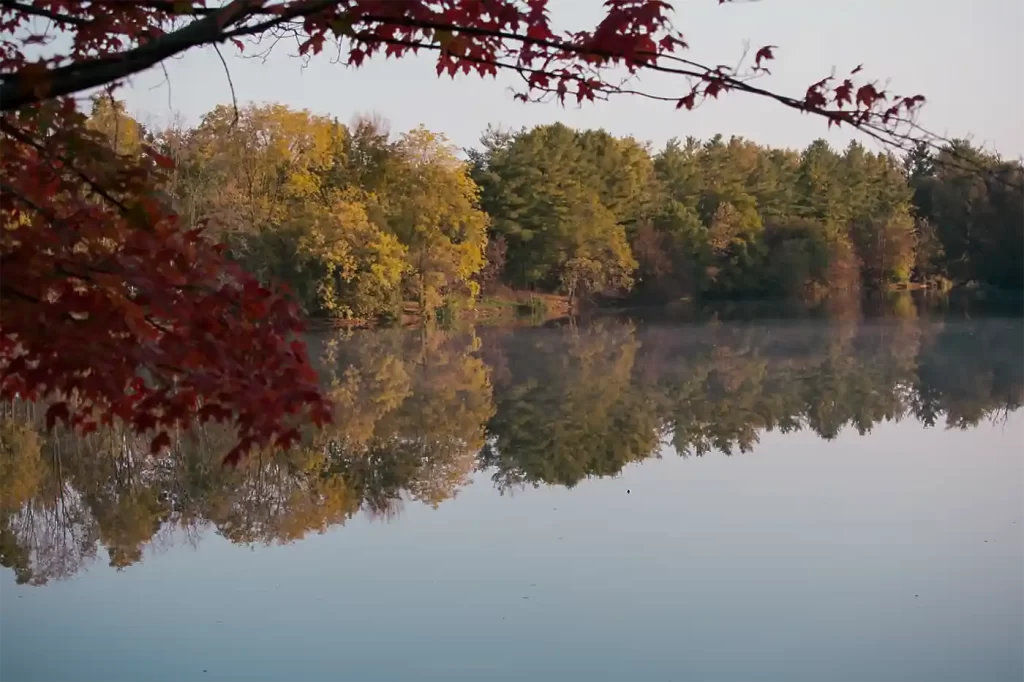
Fall often gives you a calmer version of the same destination. The patios stay open for a while. Harvest menus appear. Trees change colour. Museums, markets, theatres and neighbourhood cafés keep going after the tour buses thin out.
Winter asks more from you.
Plan the trip well, and the reward feels different from anything you get in July.
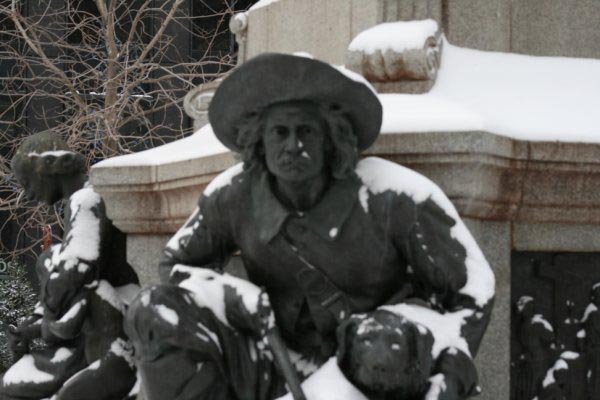
Old Québec under snow stays with you. So does frozen mist near Niagara Falls. A dark Yukon sky becomes far more interesting once green light starts moving overhead.
Poor boots also stay with you, although for less pleasant reasons.
Canada fall and winter getaways work best when you stop chasing the so-called best place and choose the right fit for your trip.
Should You Visit Canada in Fall or Winter?
Fall and winter are not interchangeable.
| Question | Fall | Winter |
| Do you prefer comfortable walking? | Better choice | Proper boots and a slower pace matter |
| Do you want a scenic road trip? | Strong choice | Roads and weather need closer attention |
| Do you dislike deep cold? | Strong choice | Look at coastal British Columbia |
| Do you want northern lights? | Early viewing seasons work in the North | Longer nights offer more viewing time |
| Do you want skiing or snowshoeing? | Limited early in the season | Strong choice |
| Do you enjoy museums, food and theatre? | Strong choice | Strong choice |
| Are you watching your budget? | Avoid peak colour weekends | Avoid holidays, ski periods and festivals |
| Do you want longer daylight? | Better choice | Touring days are shorter |
There is no single peak week for fall colour across Canada.
Northern regions turn earlier. Southern Ontario, Québec and Atlantic Canada often hold colour later.
Check official regional foliage reports shortly before leaving. Booking a year ahead around one perfect Tuesday rarely ends well.
Winter timing also changes the experience.
December feels festive, but holiday prices climb.
January and February bring colder weather and a stronger winter atmosphere.
March offers longer daylight and milder afternoons in many southern destinations.
March also brings slush. Tourism brochures tend to skip over slush.
Start With the Trip You Want
People often plan Canada backwards.
They choose a famous destination, then force the trip to fit their interests.
Start with the experience you want instead.
You want fall colour, cafés and cultural stops
Look at Ottawa, Montréal, Québec City, Toronto, Victoria or Halifax.
These cities let you mix outdoor colour with museums, markets, neighbourhood walks, theatre and a warm place to sit when the weather changes.
Ottawa works well because city attractions and Gatineau Park fit into one trip.
Montréal suits travellers who want food, neighbourhood life and strong public transit.
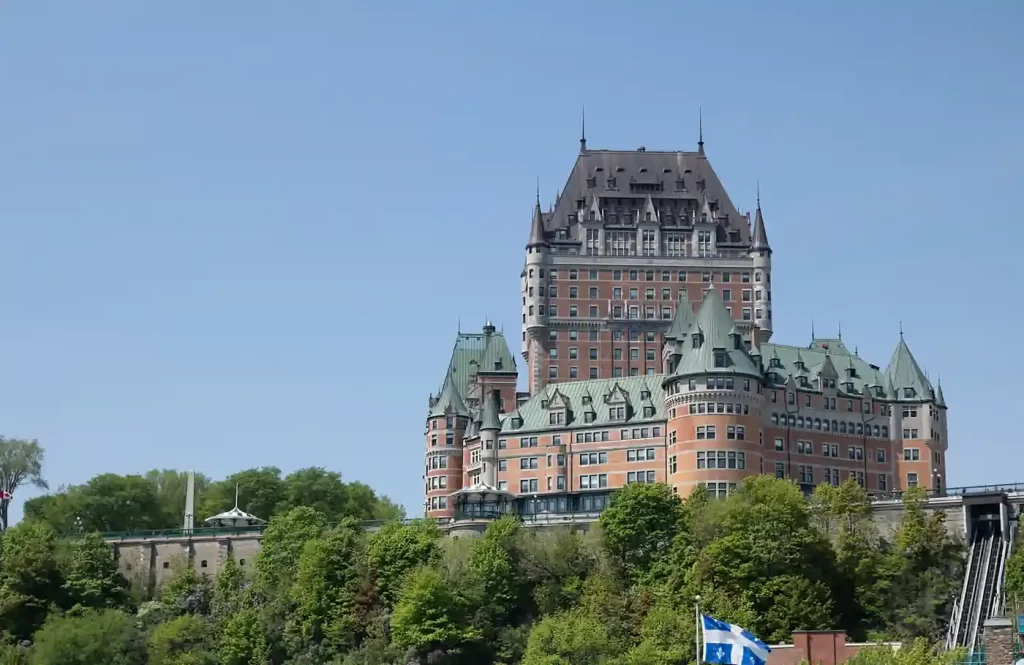
Québec City gives you plenty of atmosphere, although the hills and stone streets deserve respect.
You want scenery without hiking all day
Look at Banff, Lake Louise, Jasper, Vancouver Island, Cape Breton or the Cabot Trail.
Choose one outdoor highlight each day.
Then leave room for lunch, a warm drink and a rest when your body files a formal complaint.
A central base also helps. You spend less time driving and more time enjoying the place you travelled to see.
You want a Canadian winter without skiing
Choose a city with strong indoor options.
Toronto, Montréal, Québec City, Ottawa, Winnipeg, Victoria and Halifax all offer museums, galleries, food halls, markets, performances and seasonal events.
Snow becomes part of the view rather than your full-time occupation.
You want a once-in-a-lifetime trip
Churchill, Yellowknife, Whitehorse, Lake Louise and Québec City belong in this group.
These trips ask more from your budget and planning.
They also give you stories few ordinary weekends match.
Book flights, rail, guided wildlife trips, aurora tours and accessible rooms before arguing over which suitcase to bring.
Before locking in your dates, compare fares across nearby airports and flexible travel days. A small date change sometimes leaves more money for the part of the trip you will remember. [Compare flight options and fares.]
British Columbia: A Gentler Start to Fall and Winter
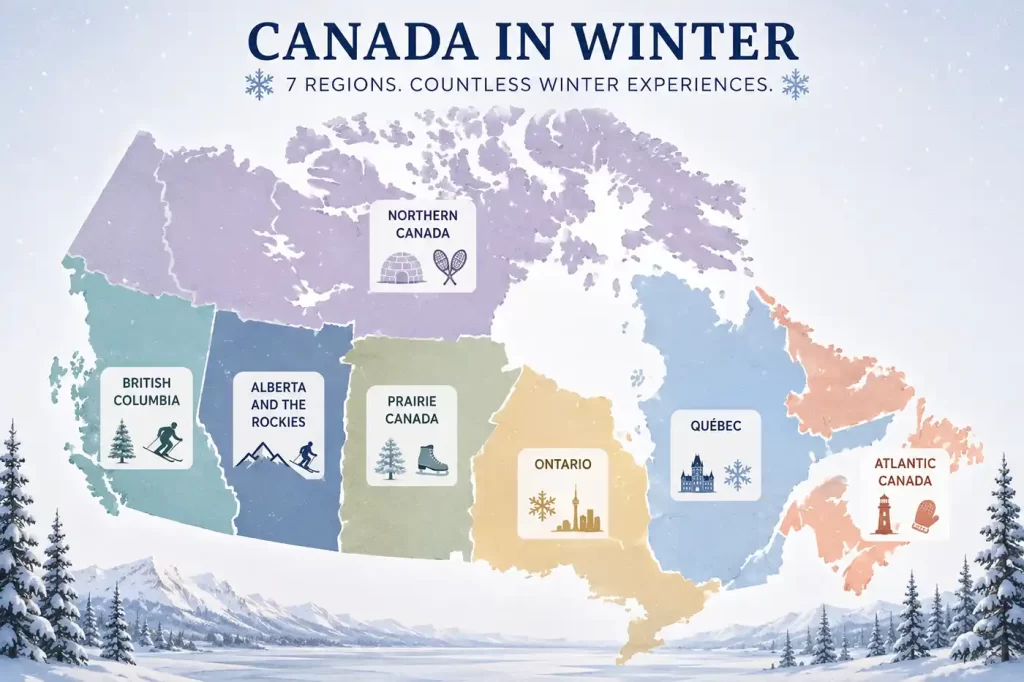
British Columbia suits travellers who want several seasons within one trip.
Vancouver offers waterfront walks, neighbourhood food, gardens, galleries and mountain views.
Fall often feels calm and green rather than a nonstop display of red maple leaves.
Winter at lower elevations usually means cool rain, damp air and occasional snow rather than months of deep cold.
Victoria offers an even slower pace.
The Inner Harbour, museums, afternoon tea, gardens and compact central areas suit a relaxed visit.
Victoria is one of my first suggestions for travellers who want a Canadian winter without treating frostbite as a personal challenge.
You should still pack waterproof shoes. A gentle winter does not mean a dry winter.
The Okanagan works well in fall.
Harvest season, wineries, orchards, lake views and quieter roads suit couples and food-minded travellers.
Check opening hours before heading out. Some wineries and restaurants reduce their schedules later in the season.
A locked winery door provides limited romance.
Choose British Columbia for:
- Milder coastal weather
- Gardens, food and waterfronts
- City trips with nearby nature
- Fewer deep-cold days at lower elevations
- A softer introduction to Canadian winter travel
Skip the coast if several wet days would ruin your mood.
Bring a waterproof layer and a list of indoor alternatives.
Alberta and the Rockies: Big Views Without a Packed Schedule
Banff and Lake Louise look made for fall and winter.
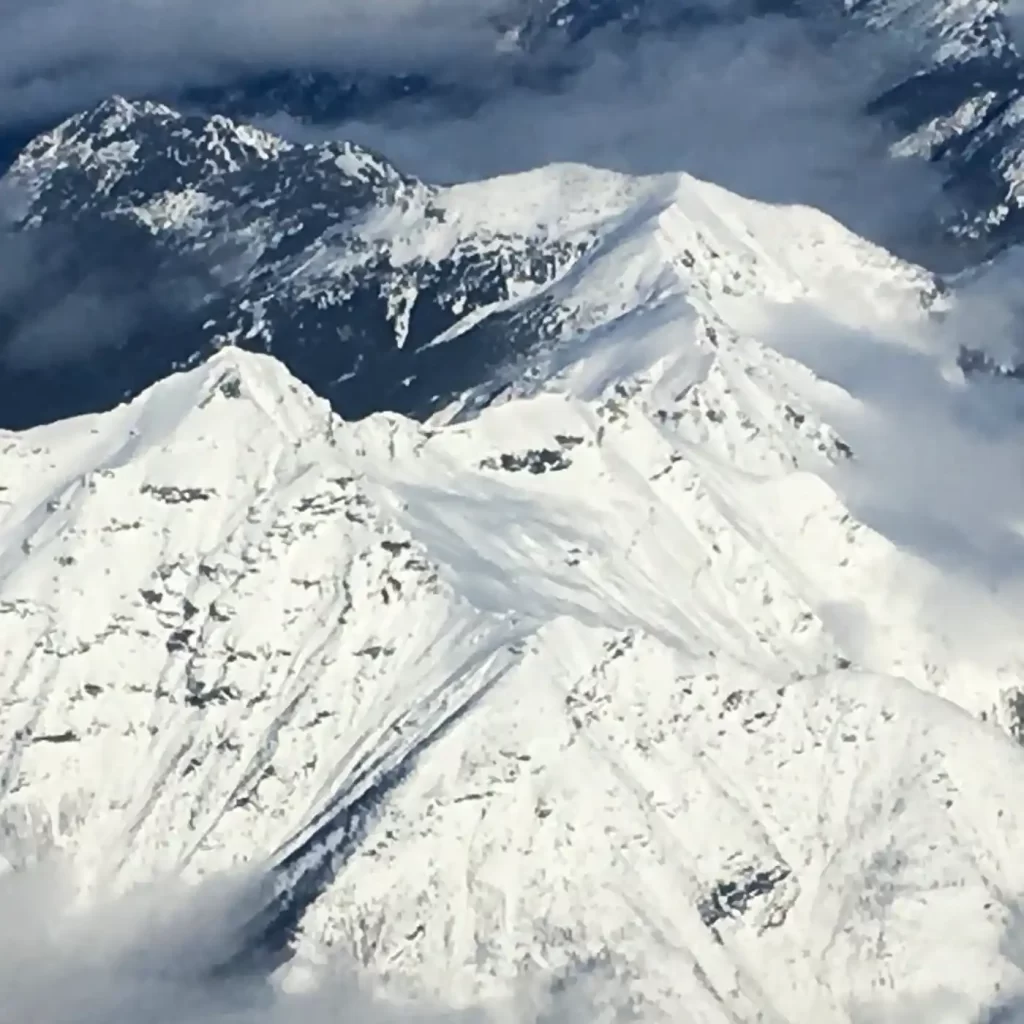
Golden larches brighten parts of the Rockies in fall. Snow turns the mountain towns into the Canada many overseas visitors expect to see.
You do not need to ski.
Gondola rides, hot springs, sleigh rides, scenic viewpoints, spas, photography and short walks fill a trip quite nicely.
Central lodging matters more in winter.
A cheaper room far outside town loses some charm when the roads turn poor and darkness arrives early.
Jasper offers a quieter mountain-town feeling, although the distance and transportation need more thought.
Conditions and closures change. Check current Parks Canada notices before planning a route or building a day around one trail.
Summer trail advice does not automatically carry over into winter.
Snow, ice and avalanche risk turn easy summer routes into poor winter choices.
Treat official warnings as instructions, not optional reading.
Choose the Rockies when mountains are the reason for the trip.
Skip a deep-winter mountain holiday if cold, uncertain roads or limited mobility would leave you watching snow through the hotel window for four days.
The view might be lovely. The bill still arrives.
Prairie Canada: More Than Somewhere to Fly Over
The Prairies look wide and quiet in fall.
Colour comes from golden grasses, river valleys, aspen, harvest fields and enormous skies rather than dense eastern forests.
Winnipeg is the easiest city base for food, culture, museums and regional day trips.
Winter feels serious, but the city has strong indoor attractions and seasonal events.
You do not need to spend the entire trip standing outside asking why your face hurts.
Churchill sits in another category.
Polar bear viewing usually draws visitors during October and November. Winter brings northern lights opportunities.
Churchill is remote, expensive and dependent on transportation and experienced guides.
This is not a casual add-on after two nights in Winnipeg.
This is a trip you plan.
Book early. Use established operators. Leave breathing room in the budget.
Weather and transportation changes are part of northern travel. They are not a personal insult from the universe.
Ontario: Easy Fall and Winter Trips With Plenty of Choice
Ontario offers a wide mix of city breaks, road trips, wine regions, theatre, nature and major attractions.
Toronto works well when you want variety and public transit.
Fall brings parks, markets, neighbourhood walks, theatre, galleries and comfortable touring weather.
Winter works best when you stay near transit and group outdoor time between indoor stops.
My guide to Toronto fall and winter getaways helps you plan around your pace rather than trying to conquer the city before lunch.
Ottawa shines in fall.
Parliament, national museums, the Rideau Canal, ByWard Market and nearby Gatineau Park create a strong city-and-nature combination.
Read my guide to Ottawa in the fall before choosing where to stay and how much walking belongs in each day.
Niagara Falls works in both seasons.
Fall suits winery stops, Niagara-on-the-Lake, scenic driving and cooler walks.
Winter gives the falls a dramatic look, evening lights and hotel rooms where the view does much of the work.
Windsor Essex deserves more attention.
The region offers wineries, Lake Erie towns, food, birding and a slower pace.
My Windsor Essex getaway guide explains why fall and winter suit the region better than many travellers expect.
For a broader route, use my Southern Ontario weekend getaways guide.
You will find ideas for combining cities and smaller communities without turning the trip into a driving marathon.
Québec: Fall Colour and a Proper Winter
Québec understands both seasons.
Montréal offers food, museums, art, neighbourhoods, markets, festivals and public transit.
Fall works well for Mount Royal, Old Montréal, canal walks and café stops.
Winter asks for stronger footwear, but the city does not shut down because snow arrived.
Québec City delivers one of Canada’s strongest winter atmospheres.
Old Québec under snow earns the attention.
So do the hills, staircases, stone surfaces and cold wind.
Stay central. Take a taxi when your knees object. Avoid turning every scenic street into a personal fitness test.
The Laurentians and Mont-Tremblant work in fall for colour and in winter for snow.
Resort villages make planning easier, but peak colour weekends and ski periods bring higher rates and larger crowds.
The practical advice is simple.
Wear proper layers. Bring boots with grip. Leave extra time.
The glamour returns once you stop shivering.
Canada fall and winter getaways in Québec suit food lovers, photographers, couples, solo travellers and anyone wanting a destination which feels different from home without crossing an ocean.
Atlantic Canada: Fall Is the Star
Atlantic Canada is glorious in fall.
Nova Scotia offers the Cabot Trail, Annapolis Valley, Halifax, Lunenburg, wineries, seafood and coastal drives.
September and October often bring strong touring conditions, harvest food and fewer summer crowds.
Use my places to visit in East Coast Canada guide for the broader picture.
My Maritimes driving tour for seniors from Halifax slows the route down.
Four provinces do not belong in a six-day itinerary. Your holiday should not feel like a delivery route.
Late fall and winter need a different plan.
Some coastal attractions, restaurants, accommodations and tours reduce their hours or close.
Storms affect roads, ferries and flights.
Halifax still works as a winter city break because museums, food, history and neighbourhoods remain.
Rural road trips need more flexibility.
Newfoundland and Labrador deserve extra time in every season.
Distances surprise first-time visitors. Winter road travel asks for local knowledge and a realistic route.
St. John’s works better as a base than a launch pad for an overstuffed island itinerary.
Choose Atlantic Canada in fall for colour, seafood, road trips and coastal towns.
Choose winter for a focused city break or a specific outdoor experience.
Do not take a summer route, add mittens and call the planning finished.
Fall storms, winter weather, delayed flights, and missed connections belong in the planning conversation. Read the policy details carefully, then [compare travel insurance options] before paying large non-refundable deposits.
Northern Canada: Plan Around the Season
Up north, the season shapes the trip.
Choose the date before the destination.
Whitehorse offers an easier northern starting point.
Fall brings gold aspen, cooler days, returning darkness and northern lights opportunities.
Winter adds dog sledding, snow experiences and longer aurora-viewing nights.
Yellowknife is well known for aurora travel.
Fall offers dark skies without the deepest cold.
Winter brings snow, long nights and the full northern atmosphere.
Nunavut needs more planning.
Flights, weather, local services, cultural respect and guided experiences matter.
Do not treat Nunavut as a quick northern checkbox.
Work with local operators. Make the trip about the place, people and culture.
Northern Canada fall and winter getaways are not cheap.
They are not casual either.
They are often the trips people talk about years later.
Canada Winter Travel Without a Car
A car gives you freedom.
A car also gives you winter tires, parking, weather stress and the chance to become far too familiar with a ditch.
Strong no-car choices include:
- Toronto
- Montréal
- Ottawa
- Québec City
- Vancouver
- Victoria
- Halifax
- Winnipeg
Stay near major transit, central attractions and restaurants.
A central hotel often costs more per night. It also saves taxi fares, walking strain and wasted time.
Rail works for selected city pairs, especially between Québec City and Windsor.
My Canadian train trip reviews help you judge where rail adds comfort and where the schedule starts running your holiday.
Some mountain and northern trips also work without driving when you book airport transfers, shuttles and guided tours before arrival.
Canada Fall and Winter Getaways for Mature Travellers
Age changes trip planning.
That is not defeat. It is useful information.
I no longer judge a successful day by how many attractions I crossed off.
I judge the day by whether I enjoyed where I was, ate something worth remembering and returned to the hotel without needing a rescue team.
Before booking, check:
- Distance from your hotel to transit
- Hills, stairs and uneven surfaces
- Snow clearing near the property
- Indoor seating and public washrooms
- Elevator access
- Flexible cancellation terms
- Daylight hours
- Nearby pharmacies
- Tour pacing
- Time allowed at each stop
- Whether your old winter boots still grip
My guide to accessible travel in Canada for seniors covers many of the questions people remember after paying the deposit.
Good boots, ice grips, warm layers, and a compact day bag earn their luggage space on a Canadian winter trip. [Find my practical fall and winter packing recommendations on Amazon.]
What to Pack for Fall and Winter in Canada
Fall packing starts with layers.
Bring a waterproof outer layer, comfortable shoes with grip, a warm middle layer, light gloves and something for rain.
Temperatures shift throughout the day, especially near water and in mountain regions.
Winter needs more thought.
Pack:
- A moisture-managing base layer
- A warm middle layer
- A windproof and waterproof outer layer
- Insulated boots with traction
- Warm socks
- Gloves or mittens
- A hat covering your ears
- A scarf or neck warmer
- Sunglasses for bright snow
- Ice grips where local conditions warrant them
- A small day bag for removed layers
Do not wear brand-new winter boots for a full sightseeing day.
Your feet will file a complaint by lunch.
Winter driving adds another level of planning.
Check provincial tire rules, highway reports, park notices and weather before leaving.
British Columbia, Québec and mountain regions have rules and conditions travellers need to understand before renting a vehicle.
Use official transportation websites rather than relying on advice from someone’s cousin on Facebook.
How Long Should Your Canada Trip Be?
Canada is not one trip.
For a city break, plan three or four nights.
This gives you two full touring days plus some breathing room for poor weather.
For one region, plan seven to ten days.
For a cross-country journey, allow at least two or three weeks and accept you will still skip huge sections.
Crossing Canada quickly proves you crossed Canada quickly.
Not much else.
A strong first trip often pairs one major city with one nearby region:
- Vancouver and Victoria
- Calgary and Banff
- Winnipeg and a planned Churchill package
- Toronto and Niagara
- Ottawa and Montréal
- Montréal and Québec City
- Halifax and Nova Scotia’s South Shore
- Whitehorse and a guided Yukon experience
Frequently Asked Questions: Canada Fall and Winter Getaways
Is Canada worth visiting in winter?
Yes, when you plan around winter rather than fighting it every day.
Québec City, Montréal, Ottawa, Banff, Lake Louise, Whitehorse, Yellowknife and Victoria all offer different experiences.
Choose based on your cold tolerance, budget and interest in outdoor activities.
Is Canada too cold in October?
Not across the whole country.
October in Victoria or southern Ontario feels different from October in the Yukon or the Rockies.
Northern and mountain destinations cool earlier.
Pack layers and check the local forecast before leaving.
What month is best for fall colour in Canada?
September works well in northern and western regions.
Late September into October often suits southern Ontario, Québec and Atlantic Canada.
Colour timing shifts each year, so check official regional updates close to your travel date.
Where are the best fall colours in Canada?
Strong choices include Québec’s Laurentians, Ontario’s Algonquin region, Ottawa and Gatineau, Cape Breton, the Annapolis Valley, parts of New Brunswick and the Yukon earlier in the season.
Your dates matter more than any national ranking.
Where is the warmest place in Canada for a winter getaway?
Victoria and the southern British Columbia coast have some of Canada’s gentler winter weather.
Expect cool rain and damp conditions rather than warmth.
Canada does not hide a tropical beach behind Vancouver Island.
Where should I go in Canada during winter if I do not ski?
Montréal, Québec City, Toronto, Ottawa, Victoria and Halifax all work well.
Montréal offers food and culture.
Québec City gives you winter atmosphere.
Toronto offers plenty of indoor variety.
Victoria suits travellers seeking softer winter weather.
What is the cheapest time to visit Canada?
No single month wins across the whole country.
Look at late fall after peak colour, early December before holiday travel, and parts of January or March in major cities.
Mountain resorts, Churchill, festival periods and holiday weekends follow different pricing patterns.
What should older travellers pack for winter in Canada?
Bring layers, insulated waterproof boots with grip, gloves, a warm hat and a waterproof outer layer.
Keep medication in your carry-on.
Traction matters more than looking fashionable.
A winter hat has never ruined a photograph as badly as falling over.
How many days do I need for Canada?
Choose three or four nights for one city.
Allow seven to ten days for one region.
Plan two or three weeks for a broader multi-region trip.
Canada punishes rushed planning with long distances.
Which Canadian fall and winter getaways suit first-time visitors?
For fall, start with Ontario and Québec or Nova Scotia.
For winter, look at Montréal and Québec City, Toronto and Niagara, Calgary and Banff, or Vancouver and Victoria.
Each pairing gives you contrast without spending half the trip in transit.
Choose the Canada That Fits You
Canada fall and winter getaways do not need to become endurance tests.
Choose the weather you tolerate.
Pick one region.
Stay long enough to slow down.
Plan one outdoor highlight and one indoor backup each day.
Leave room for a coffee, a meal, a conversation or a view you did not schedule.
That is often where the best part of travel happens.
Start with my where to go in Canada guide. Then follow the regional links in this post as you narrow your choices.
Which sounds more like you right now?
Fall colour, scenic drives and harvest food?
Or snow, city lights and a warm drink waiting inside?
Other Of My Posts You Might Like:
- https://almurrayenterprises.net/senior-travel/toronto-fall-and-winter-getaways-easy-seasonal-trips-for-mature-travellers/
https://almurrayenterprises.net/senior-travel/ottawa-in-the-fall/
https://almurrayenterprises.net/senior-travel/windsor-essex-getaway/
https://almurrayenterprises.net/southern-ontario-weekend-getaways/
https://almurrayenterprises.net/senior-travel/places-to-visit-in-east-coast-canada/
https://almurrayenterprises.net/senior-travel/maritimes-driving-tour-for-seniors-from-halifax/
https://almurrayenterprises.net/senior-travel/canadian-train-trip-reviews/
https://almurrayenterprises.net/senior-travel/accessible-travel-in-canada-for-seniors/
Some Links to Some of My Reference Material for You to Use:
- https://travel.destinationcanada.com/en-ca/things-to-do/fall-colours-canada
https://climate.weather.gc.ca/climate_normals/results_1991_2020_e.html?climate_id=1018598&dispBack=0&searchMethod=contains&searchType=stnName_1991&txtCentralLatMin=0&txtCentralLatSec=0&txtCentralLongMin=0&txtCentralLongSec=0&txtStationName_1991=victoria
https://parks.canada.ca/pn-np/mtn/securiteenmontagne-mountainsafety/avalanche
https://www.travelmanitoba.com/things-to-do/outdoor/wildlife/polar-bears/
https://www.travelyukon.com/en/get-inspired/when-visit-yukon
https://spectacularnwt.com/activities/aurora/
https://novascotia.com/get-inspired/fall/
Please note: the opinions expressed in this post should never be construed as advice. The thoughts are based on my experiences and those of my friends and family. Whether traveling, exercising or other activity it is always a matter of personal preference.  Find what you like and enjoy and share if you want with us all!
Also: If considering a change in diet, exercise, nutrition and or supplements, you must consult your medical practitioner to make sure that what you are about to embark upon doesn’t interfere with your current treatments.
Photo acknowledgements
Where the image contains my watermark of Al Murray Photography, I hold the copyright to that image. If interested in purchasing images or license agreements, please visit: https://almurrayphotography.com/ or you can contact me via email at: althephotographer101@gmail.com
Other images are sourced via “Unsplash.” Please visit and show them some love. Below I will list the artists whose work I am using. I will, from time to time, use AI to enhance one of my own images or create images that suit the subject matter.