
Where to Stay in Toronto as a Solo Traveller: What Matters More After Fifty
Table of Contents
Introduction
Choosing where to stay in Toronto as a solo traveller gets easier once you stop chasing the cheapest room and start pricing independence.
After fifty, I still want long walks, streetcars, neighbourhood cafés, museums, good food and enough unplanned time to follow my nose. I also want a comfortable bed, easy transportation, breakfast without a morning expedition and a simple way home after dinner.
When I think about where to stay in Toronto as a solo traveller, I care less about a long amenities list and more about how smoothly the day works.
For a mature solo traveller, the best Toronto stay is rarely about luxury. The better question is simple: does your accommodation remove work from your trip or add more?
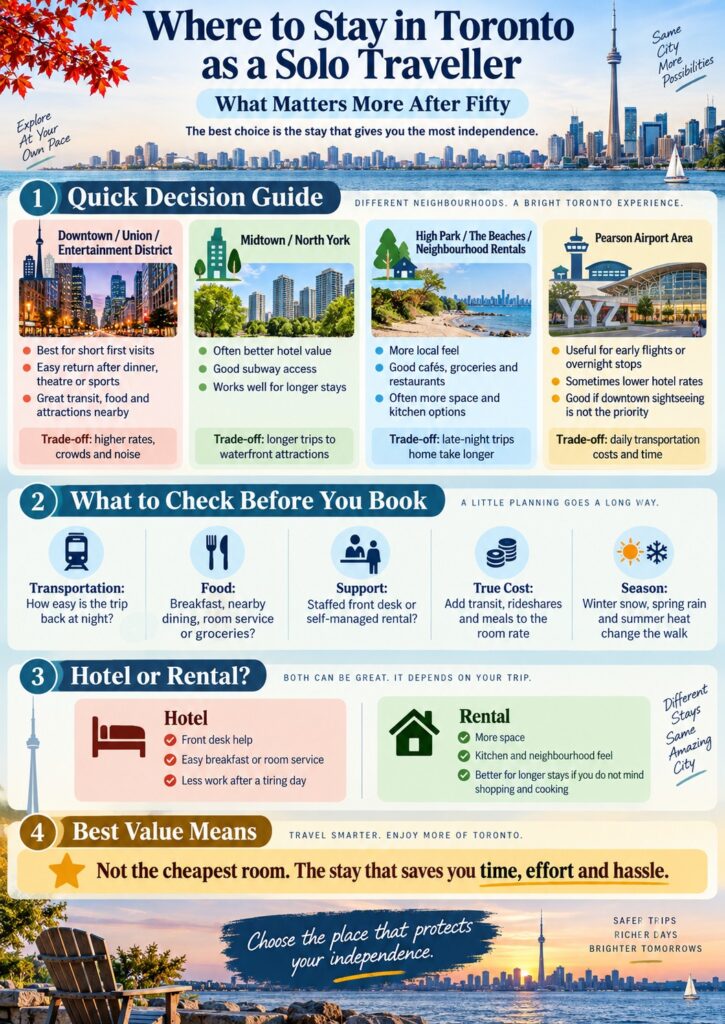
Downtown hotels often win on convenience. Midtown, North York, airport hotels and neighbourhood rentals often win on price, space or a more local feel. Each choice comes with a trade-off.
Where to Stay in Toronto as a Solo Traveller at a Glance
| Your priority | Start your search | Main trade-off |
|---|---|---|
| Easy VIA Rail or UP Express arrival | Union Station / South Core | Higher room rates |
| Attractions, dining and late evenings | Downtown | Price, crowds and noise |
| Subway access without full downtown intensity | Yonge-Eglinton / Midtown | Longer trips to waterfront attractions |
| More space and neighbourhood life | High Park / Bloor West | Longer late-night return |
| Relaxed east-end atmosphere | The Beaches | More surface-transit time |
| Lower hotel rates farther north | Yonge-Sheppard / North York | Longer ride downtown |
| Early flight or short airport stop | Pearson area | Daily downtown transportation |
| Kitchen and residential setting | Vrbo or similar rental | Shopping, cooking and less on-site support |
The answer to where to stay in Toronto as a solo traveller starts with the area, then the property.
My guide to Toronto Hotels by Neighbourhood gives a broader citywide comparison.
Best Areas to Stay in Toronto for Solo Travellers
Downtown remains my first choice for many short solo visits. A higher room rate often buys shorter trips, easier evening returns and more food choices within a few blocks.
Union Station and the South Core suit travellers arriving by VIA Rail or UP Express. Staying nearby removes a second transportation step after arrival and puts major downtown attractions, restaurants and transit close at hand. My guide to hotels close to Union Station looks at those choices in more detail.
Downtown Yonge suits travellers who want subway access, casual restaurants, shops and coffee nearby. I stayed at the Courtyard Toronto Downtown many times during my working years, largely because the location made daily life easy. Convenience is not glamorous, but convenience feels pretty good after a full day on your feet.
The Entertainment District works well when theatre, sports or concerts anchor your plans. A short trip back to your room after an evening event has real value when you are travelling alone.
Bloor-Yorkville suits travellers who prefer museums, restaurants, shopping and a slightly calmer evening rhythm. Expect higher prices, but compare total trip value rather than room rate alone.
Look Beyond Downtown Before You Book
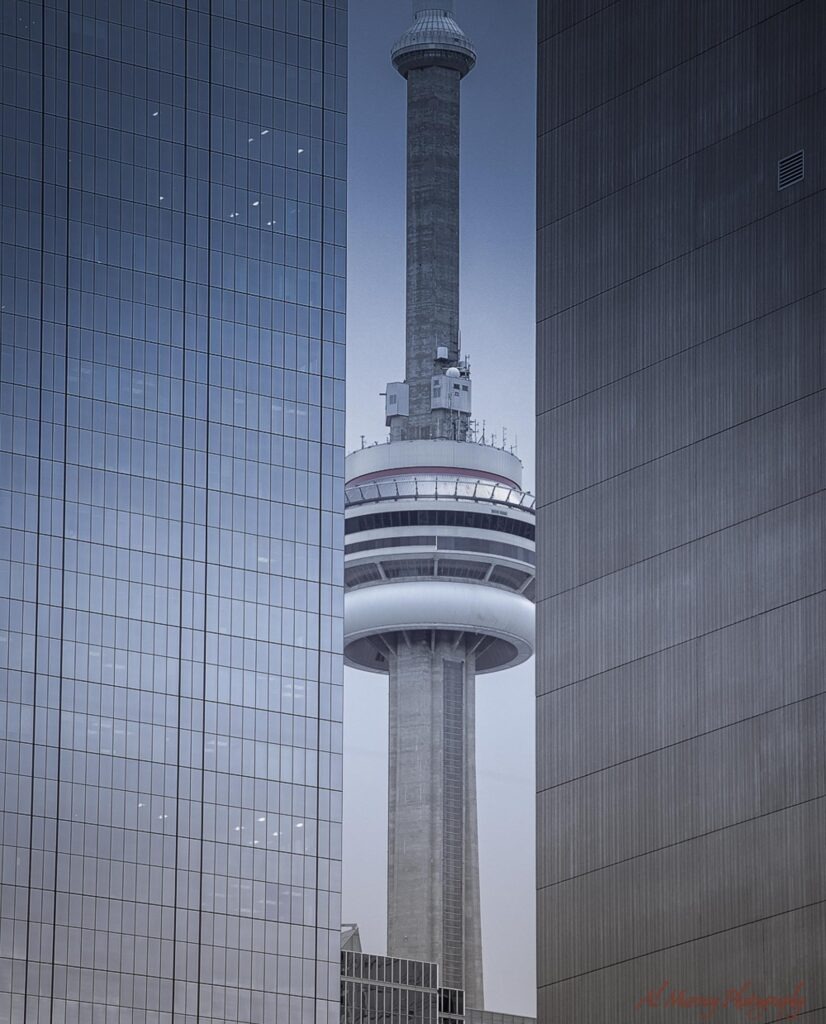
The best area to stay in Toronto for solo travellers does not always sit beside the CN Tower.
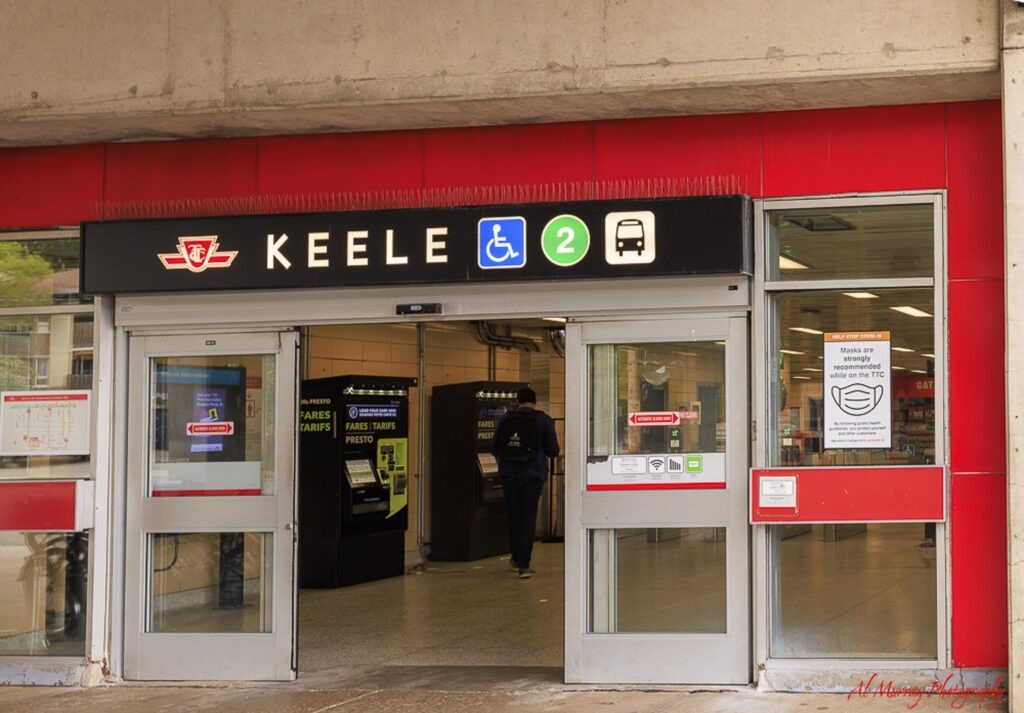
Yonge-Eglinton gives you restaurants, shops and subway service in Midtown. Eglinton Station is accessible and serves Line 1 plus Line 5. Destination Toronto also highlights casual dining and shopping around Yonge and Eglinton. TTC provides current Eglinton Station information.
Farther north, Yonge-Sheppard offers Line 1 access, Line 4 connections and an accessible station. A lower hotel rate farther north sometimes makes sense for a longer stay, especially when your plans are not centred downtown every day. TTC lists current Sheppard-Yonge Station details.
High Park and Bloor West offer a different experience. Destination Toronto describes the area around High Park as tree-lined, food-friendly and connected by Line 2 and the 504 streetcar. High Park Station is accessible as well. Destination Toronto has more on the High Park neighbourhood.
The Beaches gives you cafés, restaurants, Lake Ontario and a residential east-end atmosphere. TTC access relies more heavily on streetcars and connections, so the trip home from a downtown evening takes longer. Destination Toronto covers The Beaches in more detail.
These areas are not second-rate choices. They simply exchange central convenience for price, space or neighbourhood character.
Transportation Costs Belong in Your Hotel Budget
A $40 nightly saving sounds great until three rideshare trips eat the difference.
When comparing Toronto hotels for solo travellers, look beyond the room rate. Estimate airport transfers, TTC fares, late-night rideshares and the time spent moving back and forth.
TTC runs the Blue Night Network on major routes after regular subway service ends. Travellers alone on buses between 9 p.m. and 5 a.m. also have access to the Request Stop program, where an operator stops between regular stops when a safe stopping place is available. The program does not apply to streetcars. TTC explains its safety and Request Stop information here.
Those services widen your accommodation choices. They do not erase distance.
If you expect several late nights downtown, paying more for a central hotel often makes sense. If evenings end early and you enjoy riding transit, Midtown or a residential neighbourhood starts looking better.
Toronto Solo Travel Changes With the Season
A hotel map looks the same in January and July. Your walk to the subway does not.
Environment and Climate Change Canada’s 1991 to 2020 Toronto climate normals show January daily averages below freezing and July daily averages above 22°C. Toronto also sees meaningful seasonal precipitation. Environment and Climate Change Canada publishes the Toronto climate normals.
Winter brings snow, slush, icy patches and the occasional curbside snowbank. Spring and fall bring wet days. Summer heat makes a 20-minute walk feel longer after hours of sightseeing.
Season matters when deciding where to stay in Toronto as a solo traveller, especially when your room sits well beyond the downtown core.
A neighbourhood rental ten minutes from transit sounds easy in pleasant weather. Add luggage and a February snowbank, or a hot July afternoon, and the same route feels different.
Travellers with mobility concerns should also check station accessibility before booking. TTC lists elevators across most of the subway network and publishes station-specific accessibility information. My guide to where to stay in Toronto with limited mobility covers this issue in more detail. TTC keeps current elevator and escalator information online.

Food Is Part of the Accommodation Decision
A solo trip gives you freedom to eat when and where you want. Your accommodation should support the same freedom.
I look for four things: breakfast, nearby restaurants, a grocery or convenience option and one easy fallback meal.
A downtown hotel often puts several restaurants within walking distance. Midtown and residential neighbourhoods also offer plenty of food, but availability late at night varies by block.
Room service deserves a look as well. Fairmont Royal York currently offers in-room dining for breakfast, lunch, dinner and late night. On-site dining will not win every price comparison, but after a long day the convenience has value. Fairmont Royal York lists its current in-room dining information here.
Breakfast deserves equal attention. Paying a little more for breakfast downstairs sometimes beats starting every morning with a search for coffee and eggs.
My guide to Toronto hotels with breakfast included looks at the numbers and trade-offs.
A Vrbo or other neighbourhood rental changes the equation. A kitchen gives you control over breakfast, snacks and dinner costs. Grocery shopping, food preparation and cleanup also become part of your holiday.
After a full day touring Toronto, independence should feel like freedom, not another chore.
Hotel or Vrbo for a Solo Traveller After Fifty?
When choosing where to stay in Toronto as a solo traveller for a short visit, I lean toward a hotel.
A staffed front desk gives you luggage storage, help with transportation, room support and another human contact when plans go sideways. For longer stays, a neighbourhood rental starts to make more sense, especially when extra space and a kitchen matter.
The choice also depends on how you travel. Someone who loves cooking and shopping at local markets gets more value from a kitchen. Someone who wants breakfast downstairs and dinner nearby gets more value from hotel service.
My Hotel vs Vrbo Toronto comparison covers kitchens, service, accessibility, cleaning and security in greater depth.
Toronto Hotels for Solo Travellers: What Best Value Looks Like
Value is not the same as cheapest.
| Stay style | Property or area worth comparing | Why | Main trade-off |
|---|---|---|---|
| Easiest rail arrival | Fairmont Royal York | Union Station location, dining on site | Premium pricing |
| Compact solo room | Union Hotel | Solo-specific room, central location | Less floor space |
| Practical downtown base | Courtyard Toronto Downtown | Yonge Street location, food and transit nearby | Downtown noise |
| South Core base | Delta Toronto | Strong location for Union, sports and attractions | Event-driven rates |
| Lower-cost hotel search | Pearson / North York | More chances to find lower rates | Added transportation |
| Residential stay | High Park / The Beaches | Space, kitchens and local atmosphere | Longer late-night trips |
Union Hotel deserves a closer look for solo travellers because the Chic Solo Twin is built for one guest. The room has one single bed and the hotel also operates Humble Donkey as an all-day gathering and dining space. Union Hotel lists the current Chic Solo Twin details here.
Before paying a premium for any property, compare your full daily cost. My guide to how much to budget for a Toronto hotel breaks down room rates, taxes and neighbourhood trade-offs.
Safe Areas to Stay in Toronto for Solo Travellers
Searches for safe areas to stay in Toronto for solo travellers often produce oversimplified answers.
I prefer a practical question: how will you get back to your accommodation after dinner, a show or a late train?
Look at the final five or ten minutes of the trip. Check transit hours, lighting, the walk from the stop, building access and reception hours. For neighbourhood rentals, review entry instructions before arrival.
Safety matters, but fear should not run the trip. Good planning supports independence without turning Toronto into an obstacle course.
Three Questions Worth Asking Before Booking
Is a refundable rate worth paying more for when travelling alone?
Often, yes, when the price gap stays reasonable. One illness, weather disruption or family issue changes the whole trip when no travel partner shares the booking.
Is a kitchenette worth the extra cost?
For a longer stay, breakfast and simple meals often offset part of the premium. For a short sightseeing trip, a kitchen often sits unused while you eat around the city.
What should I confirm before a late-night arrival?
Check reception hours, building entry, your route from the airport or station and overnight transit before leaving home. TTC overnight service differs from daytime subway service, so late arrivals deserve a little planning.
Where to Stay in Toronto as a Solo Traveller: My Bottom Line
For a short first visit, I favour downtown or Midtown near useful transit.
For a longer stay, High Park, Bloor West, The Beaches, North York or a well-located rental deserve a serious look. Pearson works best when airport logistics matter more than downtown access.
When deciding where to stay in Toronto as a solo traveller, do not chase the cheapest room in isolation.
Price the whole trip.
Count transportation. Count meals. Count time. Count winter slush, summer heat and the late-night ride home.
Most of all, choose accommodation which protects your independence.
A good Toronto stay should give you more freedom to enjoy the city, not a longer list of chores.
Related Al Murray Travels Guides
- Toronto Hotels by Neighbourhood
- Hotels Close to Union Station in Toronto
- Where to Stay in Toronto With Limited Mobility
- Toronto Hotels with Breakfast Included
- Hotel vs Vrbo Toronto
- How Much Should I Budget for a Toronto Hotel?
- Questions to Ask When Booking a Hotel in Toronto
External References
- TTC safety and Request Stop information
- TTC elevators and escalators
- Environment and Climate Change Canada Toronto climate normals
- Destination Toronto neighbourhood guides
- Fairmont Royal York in-room dining
- Union Hotel Chic Solo Twin
Please note: the opinions expressed in this post should never be construed as advice. The thoughts are based on my experiences and those of my friends and family. Whether traveling, exercising or other activity it is always a matter of personal preference.  Find what you like and enjoy and share if you want with us all!
Also: If considering a change in diet, exercise, nutrition and or supplements, you must consult your medical practitioner to make sure that what you are about to embark upon doesn’t interfere with your current treatments.
Photo acknowledgements
Where the image contains my watermark of Al Murray Photography, I hold the copyright to that image. If interested in purchasing images or license agreements, please visit: https://almurrayphotography.com/ or you can contact me via email at: althephotographer101@gmail.com
Other images are sourced via “Unsplash.” Please visit and show them some love. Below I will list the artists whose work I am using. I will, from time to time, use AI to enhance one of my own images or create images that suit the subject matter.
Toronto Fall and Winter Getaways: Easy Seasonal Trips for Mature TravellersMontreal Quebec City and Ottawa Itinerary: A Flexible Fall and Winter GuideRelaxing Getaway Ideas for Every Travel Style, Budget, and Season